Posts

Showing posts from October, 2026

Who Should Avoid Veneers? Grinding, Gum Disease, Thin Enamel

Image
Veneers can transform a smile, covering chips, stains and uneven edges with thin, natural-looking shells. Social media is full of dramatic before-and-after photos, and it is easy to see why so many people are interested. Yet veneers are not the right choice for everyone. Because they are bonded to the front of the teeth, their success depends heavily on the health and condition of the mouth underneath. For some people, alternative treatments are safer, longer-lasting or simply more sensible. Knowing the warning signs helps you have a more informed conversation before committing. What Veneers Are and How They Work A veneer is a thin layer of porcelain or composite resin bonded to the front surface of a tooth. Porcelain veneers are made in a laboratory and are highly durable and stain-resistant. Composite veneers are built up directly on the tooth in the chair and are usually quicker and less expensive. Both types rely on a strong bond to the tooth and on healthy supporting tissues. Anyt...

How Long Do Teeth Whitening Results Last? Habits That Matter

Image
Professional whitening can make a remarkable difference, lifting years of staining in just a few weeks. Once people see a brighter smile in the mirror, the natural next question is how long it will stay that way. The answer is not a fixed number. Results can last anywhere from several months to a few years, and the biggest factor is not the product used but what happens afterwards. Daily habits, diet and maintenance all play a part. Understanding what fades results and what protects them helps you get lasting value from your treatment. Why Whitening Results Fade Whitening works by using a peroxide-based gel to break down coloured molecules within the enamel and dentine. This lightens the tooth from within rather than simply polishing the surface. However, teeth are porous. Over time, pigments from food, drink and tobacco gradually find their way back into the enamel. Teeth also naturally darken slowly with age as enamel thins and dentine changes. Whitening does not stop either process,...

How Do Invisible Braces Move Teeth? The Science Explained

Image
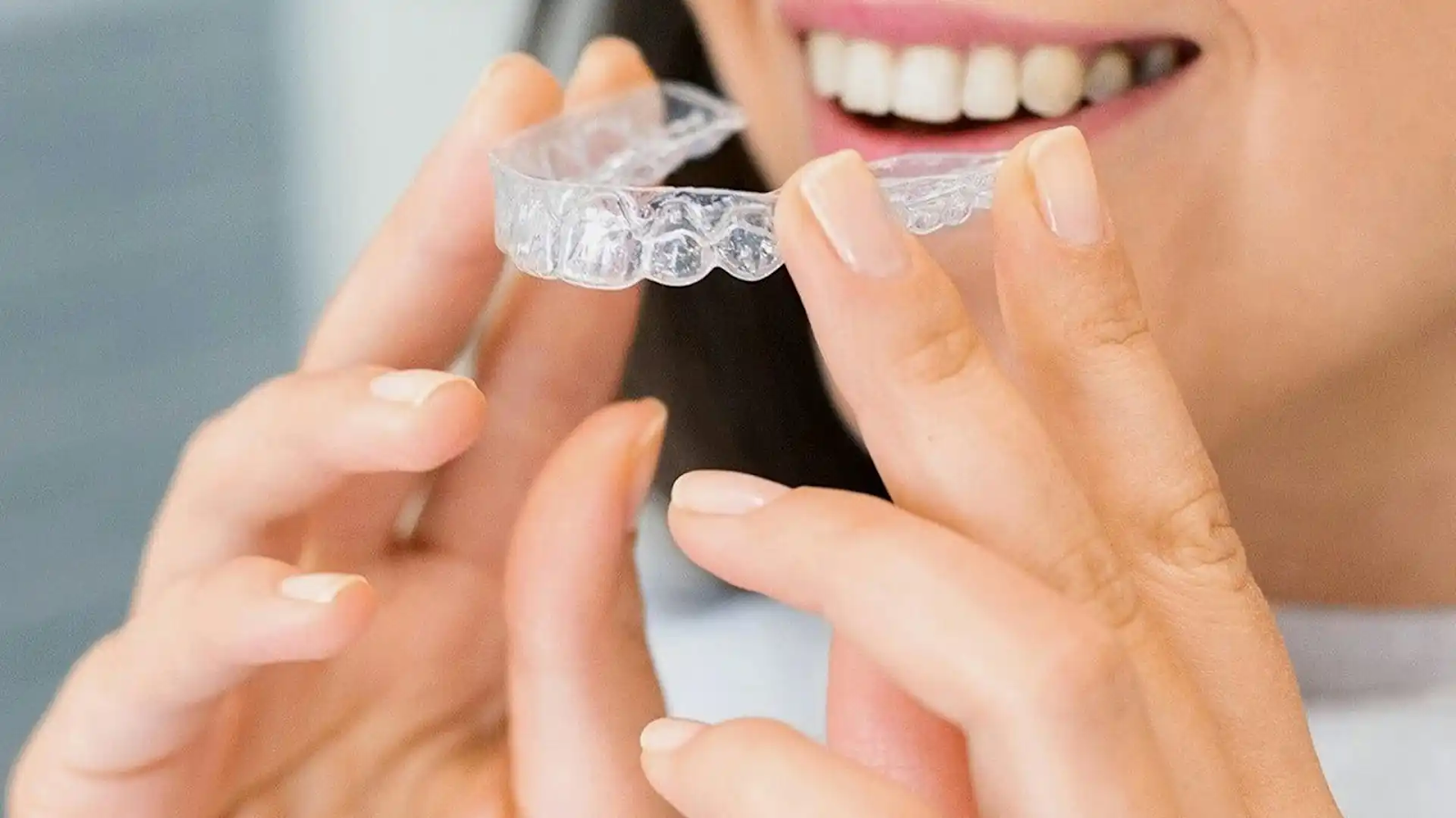
It seems almost impossible. A thin, flexible piece of plastic, worn for a few weeks and then swapped for the next, gradually shifts teeth that have been firmly in place for decades. Many people assume teeth are fixed solidly into the jaw like posts in concrete, so the idea that they can move at all is surprising. The truth is that teeth sit in living tissue that constantly remodels itself. Understanding the biology and engineering behind clear aligners explains why they work, why treatment takes time and why retainers matter so much afterwards. Teeth Are Not Fixed in Bone Each tooth is held in its socket by a thin layer of tissue called the periodontal ligament. This ligament is made up of fibres that connect the root of the tooth to the surrounding bone. It acts as a shock absorber when you chew and allows the tooth a tiny amount of natural movement. The bone around the tooth is not static either. Throughout life, it is constantly being broken down and rebuilt in response to the force...

Crowding, Gaps and Bite Issues: What Full Treatment Covers

Image
Not every straightening case is a quick tidy-up of one or two front teeth. Many adults have a combination of problems: teeth that overlap in one area, gaps in another and a bite that does not quite meet as it should. Light, short-term aligner packages are designed for minor adjustments, but more complex cases need a comprehensive approach that addresses the whole mouth. Understanding which problems a full course of treatment can correct, and what is included along the way, helps you judge whether it is the right fit for your smile. What Comprehensive Aligner Treatment Means Clear aligner systems are often offered at different levels. Shorter options suit mild cosmetic concerns, while comprehensive treatment is designed for moderate to complex cases involving several teeth, both arches and the way the upper and lower teeth fit together. Invisalign Full  is the name often used for this most complete level of treatment. Rather than focusing only on the front teeth, it considers the en...

Eating After Implant Surgery: A Week-by-Week Food Guide

Image
One of the first questions people ask after implant surgery is a simple one: what can I eat? The right choices keep you nourished and comfortable, while the wrong ones can irritate the surgical site, dislodge a healing clot or put pressure on an implant that is not yet secure. Recovery is a gradual process, and your diet should progress in step with it. This guide sets out what to eat and avoid at each stage, from the first evening home through to the months that follow. Why Diet Matters During Healing After an implant is placed, the bone slowly grows onto its surface over several months. During this time, the implant needs to remain stable. Heavy chewing forces can disturb this process, particularly in the early stages, and especially with same day dental implants , where a temporary tooth is attached straight away. Good nutrition also supports healing. Protein, vitamins and minerals help repair tissue and fight infection, so eating well is just as important as eating carefully. The F...

All-on-4 Explained: Four Implants, One Full Arch of Teeth

Image
Losing most or all of the teeth in one jaw affects far more than appearance. Eating becomes difficult, speech can change and confidence often takes a significant knock. For many years, the main solution was a conventional denture, which some people manage well but others find loose, uncomfortable or limiting. Advances in implant dentistry have introduced another approach that uses just four implants to support a complete fixed arch of teeth. It has transformed life for many people, so it is worth understanding how it works, who it suits and what treatment involves. The Basic Idea The concept is simple. Instead of placing an implant for every missing tooth, four carefully positioned implants are used to support a fixed bridge of twelve to fourteen teeth. The bridge is screwed onto the implants, so it does not come out, and it is cleaned in place like natural teeth. This approach can be used in the upper jaw, the lower jaw or both. Healthy gums are essential for any implant work, and our...

How Gum Disease Is Treated Before Implant Placement

Image
Many people who are missing teeth also have some degree of gum disease. In fact, gum disease is one of the leading reasons adults lose teeth in the first place. So when someone asks about implants, it is common for the assessment to reveal inflamed gums, bleeding or bone loss around remaining teeth. This can feel disappointing at first, especially if you were hoping to move straight to treatment. Yet treating the gums first is one of the most important steps towards a successful, long-lasting implant. Here is what that process usually looks like. Why Gums Must Be Healthy First An implant sits in the jawbone and passes through the gum, just like a natural tooth. The gum forms a seal around it, protecting the bone underneath from bacteria. If gum disease is active elsewhere in the mouth, the same bacteria can attack the tissues around a new implant. This can lead to peri-implantitis, an inflammatory condition that causes bone loss around the implant and, if untreated, can eventually caus...

Does Smoking Affect Implant Healing? What Evidence Says

Image
Anyone considering implants will quickly hear the same piece of advice: stop smoking if you can. It can feel like a standard health message repeated out of habit, but in this case there are very specific reasons behind it. Implants depend on a healing process inside the jawbone, and that process is sensitive to anything that reduces blood flow or weakens the body's defences. Understanding exactly how tobacco interferes, what research has found and what practical steps help can make the decision to quit feel far more meaningful and achievable. How Implants Heal After an implant is placed, the bone around it gradually grows onto its surface and locks it into place. This process, called osseointegration, usually takes several months. At the same time, the gum tissue heals around the top of the implant, forming a seal that protects the bone from bacteria. Both stages depend on a healthy blood supply delivering oxygen, nutrients and immune cells to the area. Anything that disrupts that ...

What to Expect at an Emergency Dental Appointment

Image
When you are in pain, the last thing you want is uncertainty. Many people put off calling for urgent help because they are unsure what will happen, worry about the cost or fear that the treatment will be worse than the problem. In reality, an emergency appointment is focused on one main goal: getting you comfortable and preventing things from getting worse. Knowing what happens from the moment you pick up the phone to the moment you walk out of the surgery can make the whole experience far less stressful. Deciding Whether It Is an Emergency Not every dental problem needs to be seen the same day, but some do. Situations that usually need urgent attention include: • Severe toothache that painkillers are not controlling. • Swelling in the gum, face or jaw. • A knocked-out adult tooth. • A broken tooth causing significant pain. • Bleeding that will not stop after an extraction. • Trauma to the mouth or face. A lost filling or a loo...

Will Clear Braces Fix a Crowded Smile? How Suitability Works

Image
Crowded teeth are one of the most common reasons adults consider straightening treatment. Overlapping front teeth can make a smile look uneven, trap food and plaque, and leave some people reluctant to smile in photographs. Clear aligners promise a discreet way to fix this, but many people wonder whether their particular case is too complicated. The honest answer is that suitability depends on several factors, not just how crooked the teeth look. Understanding how crowding is assessed, and what techniques are used to create space, gives you a realistic idea of what treatment could achieve. What Crowding Actually Means Crowding happens when there is not enough room in the jaw for all the teeth to sit in a neat line. As a result, some teeth twist, overlap or are pushed forwards or backwards out of the arch. It can be caused by genetics, the size of the jaw relative to the teeth, early loss of baby teeth or the natural tendency for teeth to drift forwards with age. Many adults find their l...

How Regular Check-Ups Reduce Emergency Dental Visits

Image
Nobody plans a dental emergency. The throbbing toothache that keeps you up all night, the filling that breaks during a meal, the swollen gum that appears without warning. These moments feel sudden, but most of them have been building quietly for months. A cavity slowly deepens, a crack spreads, gum inflammation grows. In many cases, the warning signs were visible long before the pain began. Understanding how this happens shows why routine visits are one of the most effective ways to stay comfortable, save money and avoid those stressful urgent appointments. Emergencies Rarely Come Out of Nowhere Teeth do not usually fail without reason. Most urgent problems are the final stage of a slower process that could have been interrupted earlier. The difference between a minor repair and an emergency is often simply a matter of timing. Cost worries often delay visits, so if that applies to you, our article Dental Pain on a Budget: When an NHS Dentist Cosham May Be Appropriate  discusses way...

How to Register With an NHS Dentist in Tyldesley: Step by Step

Image
Finding NHS dental care can feel confusing, especially if you have moved home, have not seen a dentist for a while or are looking for a practice for your children for the first time. The system works differently from GP registration, and many people are unsure where to start or what to expect. The good news is that the process becomes far simpler once you understand how it works. This guide walks through each step in order, from checking your eligibility to attending your first appointment, so you know exactly what to do. First, Understand How NHS Dentistry Works Unlike GP surgeries, NHS dental practices in England do not have formal catchment areas, and you are not permanently registered in the same way. You can approach any practice that offers NHS care, whether it is near your home or close to where you work. When people talk about registering with a dentist, they usually mean being accepted as a patient by a practice that will offer ongoing check-ups and treatment. Practices decide...

What Regular Dental Check-Ups in Twickenham Can Actually Catch

Image
It is easy to think of a routine check-up as a formality. You sit down, the dentist has a quick look, says everything seems fine and you are back out in fifteen minutes. Because the visit feels so brief, many people assume that nothing much is happening. In reality, a great deal is being assessed in that short time, far beyond whether you need a filling. Knowing what a thorough examination is looking for helps explain why those regular appointments matter, and why skipping them can let problems grow quietly for months or even years. More Than a Quick Look at Your Teeth A full examination covers the teeth, gums, bite, jaw joints, soft tissues and any existing dental work. Your medical history is reviewed, as many general health conditions and medicines affect the mouth. X-rays may be taken at intervals to see what cannot be seen with the eye alone. Each part of this process is designed to catch specific problems early. Here are the main ones a dentist in Twickenham , or anywhere else, w...

Dental Abscess Warning Signs: Why Swelling Should Not Wait

Image
Some dental problems can safely wait a few days for a convenient appointment. An infection that has formed a pocket of pus is not one of them. Abscesses can start quietly, with a dull ache or a slightly tender gum, and then escalate surprisingly quickly. Because the face and neck contain so many connected spaces, an untreated infection can spread beyond the mouth and, in rare cases, become dangerous. Recognising the warning signs early, and knowing exactly what to do about them, is one of the most useful pieces of dental knowledge anyone can have. What an Abscess Actually Is An abscess is a collection of pus caused by a bacterial infection. In the mouth, it usually forms in one of two places. At the tip of the root When decay, a crack or trauma allows bacteria to reach the nerve inside a tooth, the nerve can die and become infected. The infection then spreads out through the end of the root into the surrounding bone. This is known as a periapical abscess. In the gum A periodontal absce...