What to Expect at an Emergency Dental Appointment
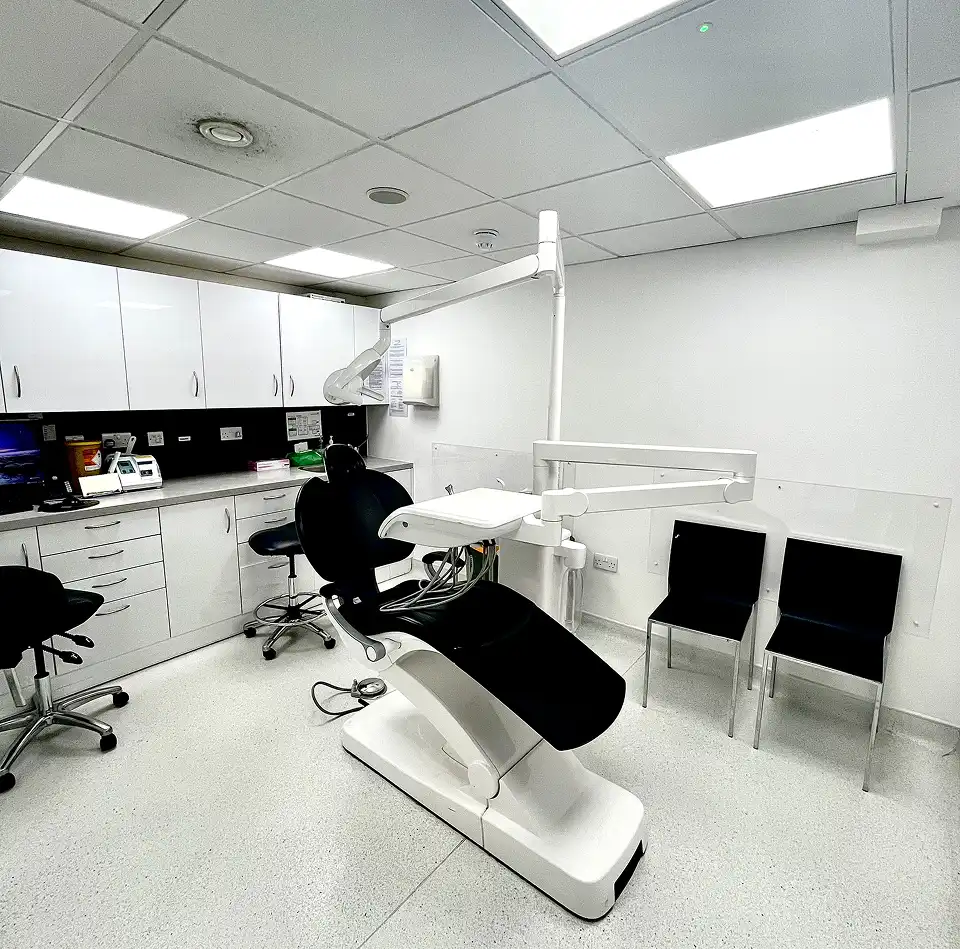
When you are in pain, the last thing you want is uncertainty. Many people put off calling for urgent help because they are unsure what will happen, worry about the cost or fear that the treatment will be worse than the problem. In reality, an emergency appointment is focused on one main goal: getting you comfortable and preventing things from getting worse. Knowing what happens from the moment you pick up the phone to the moment you walk out of the surgery can make the whole experience far less stressful.
Deciding Whether It Is an Emergency
Not every dental problem needs to be seen the same day, but some do. Situations that usually need urgent attention include:
• Severe toothache that painkillers are not controlling.
• Swelling in the gum, face or jaw.
• A knocked-out adult tooth.
• A broken tooth causing significant pain.
• Bleeding that will not stop after an extraction.
• Trauma to the mouth or face.
A lost filling or a loose crown without pain is usually less urgent, though it is still worth contacting the practice. Knocked-out teeth are especially time-sensitive, and our article A Knocked-Out Tooth: Why Prompt Emergency Dentist Care Matters explains why speed matters so much.
If you have swelling affecting your breathing, swallowing or eye, or heavy bleeding, call 999 or go to A&E immediately rather than waiting for a dental appointment.
Step 1: The Phone Call
Most emergency appointments begin with a call to the practice. The reception team or a clinician will ask about your symptoms to judge how urgently you need to be seen. Expect questions such as:
• Where is the pain, and how long have you had it?
• Is there any swelling, and where?
• Have you had a fever or felt unwell?
• What painkillers have you taken?
• Do you have any medical conditions or allergies?
This triage helps the team allocate time appropriately. If you are calling an emergency dentist Wigan practices provide, being ready with these details speeds things up.
Step 2: Arriving at the Practice
Try to arrive a few minutes early. You may be asked to complete or update a medical history form, especially if you are a new patient. Bring a list of your medicines and any relevant information about previous treatment.
If you have been in an accident and have a broken tooth fragment or a knocked-out tooth, bring it with you, stored in milk or saliva.
Step 3: The Examination
The dentist will ask more about your symptoms and look carefully at the affected area. They may:
• Tap gently on teeth to see which one is sensitive.
• Test how teeth respond to cold.
• Check for swelling, pus or loose teeth.
• Look at the soft tissues around the area.
X-rays
In most cases, an X-ray is taken to see what is happening inside the tooth and the surrounding bone. This helps identify decay, infection, cracks or fractures that are not visible from the outside.
Step 4: Discussing Your Options
Once the cause is identified, the dentist will explain what they have found and outline your options. This is your opportunity to ask questions about the treatment, recovery and cost.
Emergency appointments are focused on relieving pain and dealing with infection. In some cases, the problem can be fully treated in one visit. In others, temporary treatment is carried out first, with a follow-up appointment to complete the work.
Step 5: Common Treatments
The treatment depends on the problem, but common options include:
Temporary fillings
A lost filling or small break can be covered with a temporary filling to protect the tooth and reduce sensitivity.
Starting root canal treatment
If the nerve is inflamed or infected, the dentist may remove the damaged tissue from inside the tooth. This often relieves pain very quickly. The tooth is then sealed temporarily, with further appointments to complete root canal treatment.
Draining an abscess
Where pus has collected, the dentist may drain it to release pressure and reduce pain.
Extraction
If a tooth cannot be saved, removing it may be the most appropriate option. Your dentist will discuss this carefully, along with future replacement options.
Re-cementing a crown
A crown that has come loose can often be cleaned and refitted if the tooth beneath is healthy.
Antibiotics
Antibiotics are only prescribed when they are genuinely needed, such as for spreading infection or if you are unwell. They do not treat toothache on their own and are not a substitute for treatment.
Step 6: Aftercare Advice
Before you leave, you will be given advice on managing any discomfort, what to eat, how to keep the area clean and which signs mean you should get in touch again. If further appointments are needed, these will usually be arranged before you go.
Questions About Cost
Emergency treatment under the NHS in England is charged at a set band, and further treatment may fall into a higher band. Private fees vary, so it is reasonable to ask for an estimate before treatment begins. Any emergency dentist wigan practice should be happy to explain fees upfront.
If you are not registered with a dentist, NHS 111 can direct you to urgent care. Finding a regular dentist in Wigan afterwards helps reduce the chance of future emergencies through routine dental check-ups.
Reducing the Chances of Another Emergency
After your emergency has been dealt with, it is worth booking a full examination. Many emergencies stem from problems that have been developing for a while, and a check-up can identify other teeth at risk. A dentist in Wigan can then plan any further treatment calmly rather than urgently, often with hygienist support to keep gums healthy.
Final Thoughts
An emergency dental appointment is designed to relieve pain, protect your health and set out a clear plan for any further treatment. From the initial call to the examination, X-rays and treatment, the process is straightforward and focused on getting you comfortable as quickly as possible. Acting promptly almost always leads to simpler, more successful care. If you are in pain or have a dental concern that cannot wait, the caring team at Perfect Smile will do their best to see you quickly and help you feel better.
Comments
Post a Comment