Posts

Who Should Avoid Veneers? Grinding, Gum Disease, Thin Enamel

Image
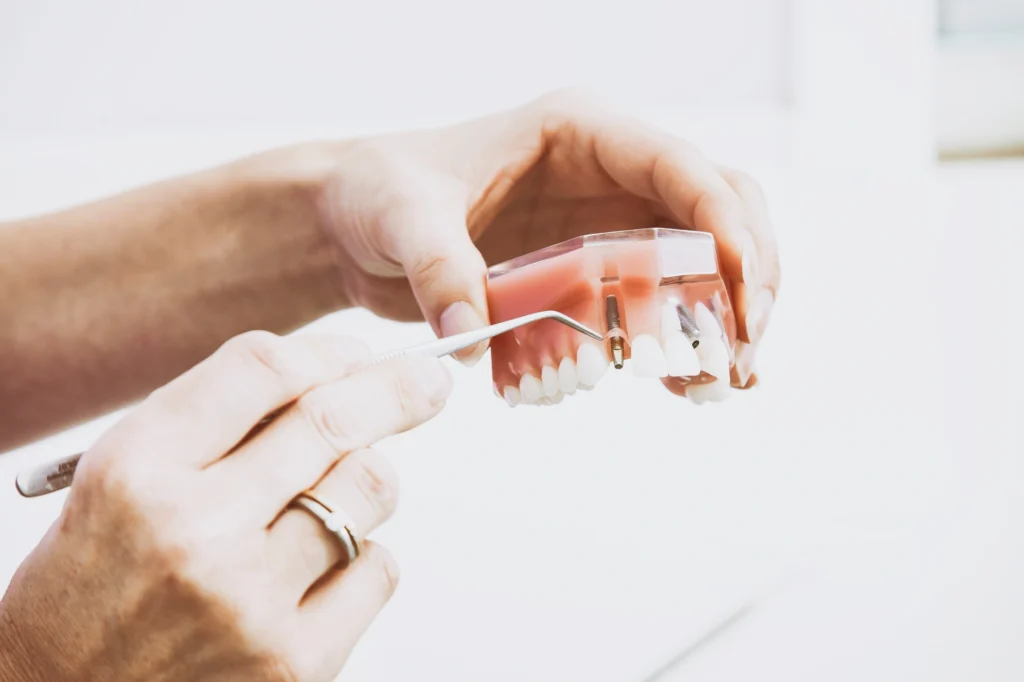
Veneers can transform a smile, covering chips, stains and uneven edges with thin, natural-looking shells. Social media is full of dramatic before-and-after photos, and it is easy to see why so many people are interested. Yet veneers are not the right choice for everyone. Because they are bonded to the front of the teeth, their success depends heavily on the health and condition of the mouth underneath. For some people, alternative treatments are safer, longer-lasting or simply more sensible. Knowing the warning signs helps you have a more informed conversation before committing. What Veneers Are and How They Work A veneer is a thin layer of porcelain or composite resin bonded to the front surface of a tooth. Porcelain veneers are made in a laboratory and are highly durable and stain-resistant. Composite veneers are built up directly on the tooth in the chair and are usually quicker and less expensive. Both types rely on a strong bond to the tooth and on healthy supporting tissues. Anyt...

How Long Do Teeth Whitening Results Last? Habits That Matter

Image
Professional whitening can make a remarkable difference, lifting years of staining in just a few weeks. Once people see a brighter smile in the mirror, the natural next question is how long it will stay that way. The answer is not a fixed number. Results can last anywhere from several months to a few years, and the biggest factor is not the product used but what happens afterwards. Daily habits, diet and maintenance all play a part. Understanding what fades results and what protects them helps you get lasting value from your treatment. Why Whitening Results Fade Whitening works by using a peroxide-based gel to break down coloured molecules within the enamel and dentine. This lightens the tooth from within rather than simply polishing the surface. However, teeth are porous. Over time, pigments from food, drink and tobacco gradually find their way back into the enamel. Teeth also naturally darken slowly with age as enamel thins and dentine changes. Whitening does not stop either process,...

How Do Invisible Braces Move Teeth? The Science Explained

Image
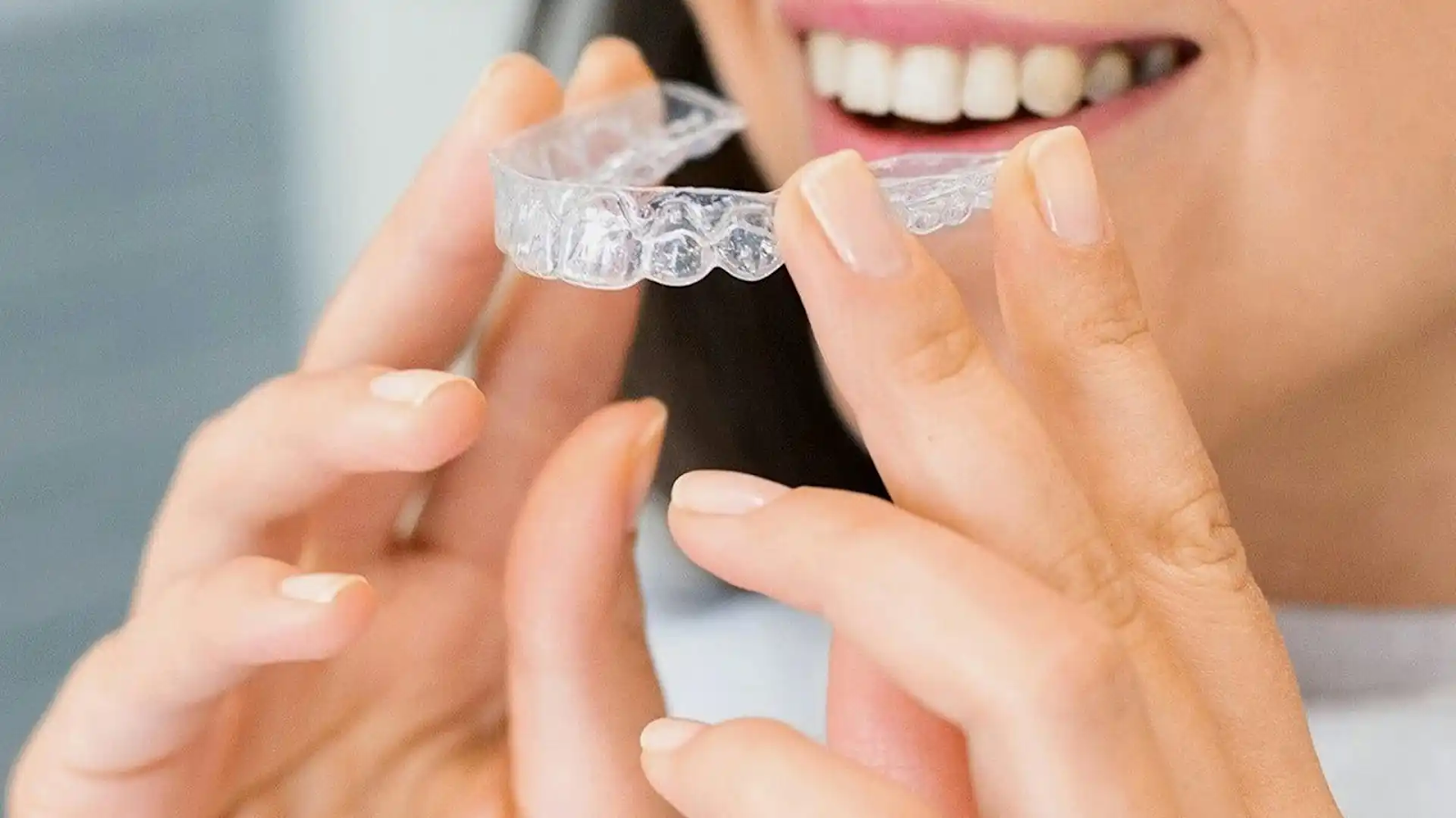
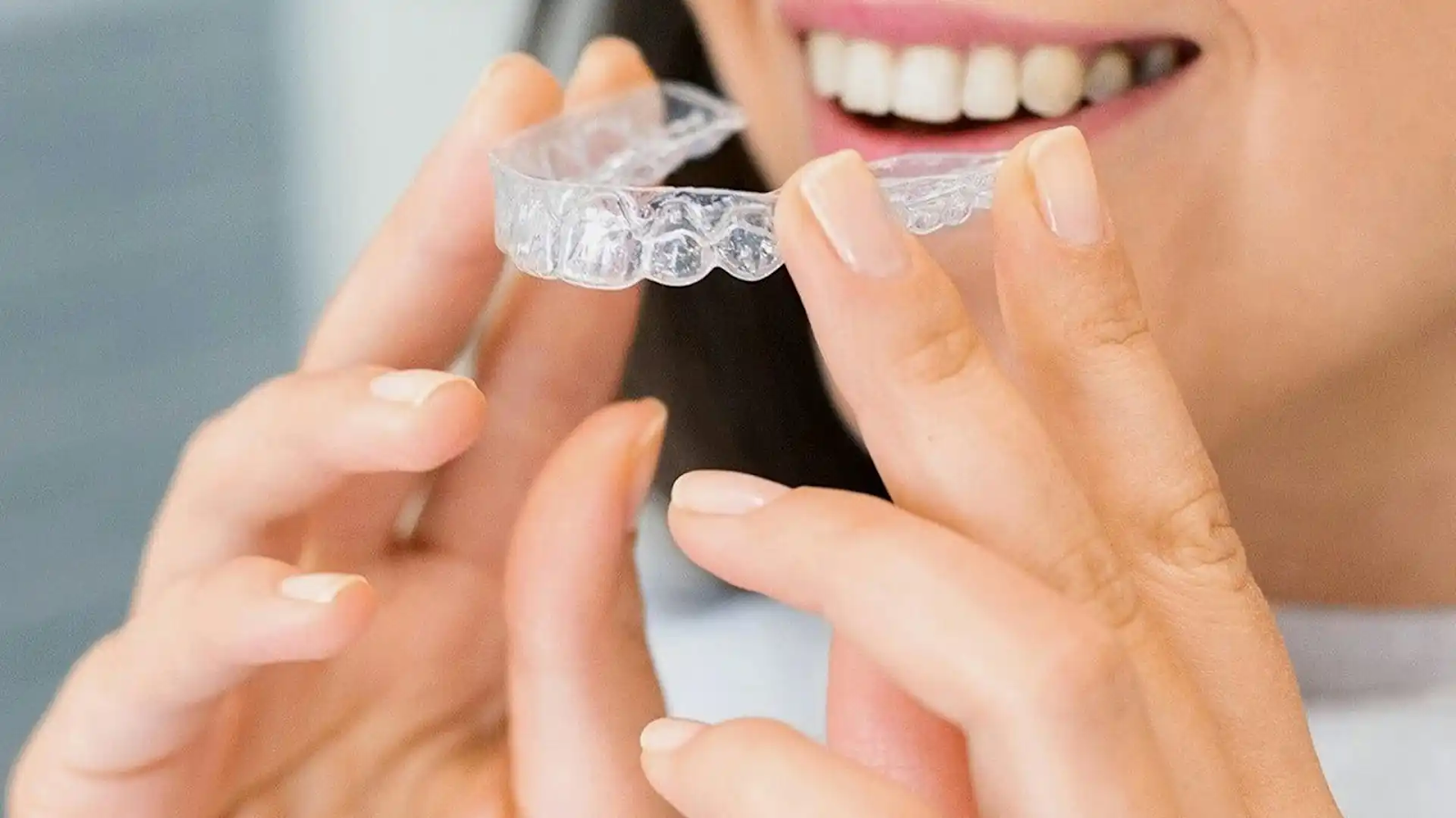
It seems almost impossible. A thin, flexible piece of plastic, worn for a few weeks and then swapped for the next, gradually shifts teeth that have been firmly in place for decades. Many people assume teeth are fixed solidly into the jaw like posts in concrete, so the idea that they can move at all is surprising. The truth is that teeth sit in living tissue that constantly remodels itself. Understanding the biology and engineering behind clear aligners explains why they work, why treatment takes time and why retainers matter so much afterwards. Teeth Are Not Fixed in Bone Each tooth is held in its socket by a thin layer of tissue called the periodontal ligament. This ligament is made up of fibres that connect the root of the tooth to the surrounding bone. It acts as a shock absorber when you chew and allows the tooth a tiny amount of natural movement. The bone around the tooth is not static either. Throughout life, it is constantly being broken down and rebuilt in response to the force...

Crowding, Gaps and Bite Issues: What Full Treatment Covers

Image
Not every straightening case is a quick tidy-up of one or two front teeth. Many adults have a combination of problems: teeth that overlap in one area, gaps in another and a bite that does not quite meet as it should. Light, short-term aligner packages are designed for minor adjustments, but more complex cases need a comprehensive approach that addresses the whole mouth. Understanding which problems a full course of treatment can correct, and what is included along the way, helps you judge whether it is the right fit for your smile. What Comprehensive Aligner Treatment Means Clear aligner systems are often offered at different levels. Shorter options suit mild cosmetic concerns, while comprehensive treatment is designed for moderate to complex cases involving several teeth, both arches and the way the upper and lower teeth fit together. Invisalign Full  is the name often used for this most complete level of treatment. Rather than focusing only on the front teeth, it considers the en...

Eating After Implant Surgery: A Week-by-Week Food Guide

Image
One of the first questions people ask after implant surgery is a simple one: what can I eat? The right choices keep you nourished and comfortable, while the wrong ones can irritate the surgical site, dislodge a healing clot or put pressure on an implant that is not yet secure. Recovery is a gradual process, and your diet should progress in step with it. This guide sets out what to eat and avoid at each stage, from the first evening home through to the months that follow. Why Diet Matters During Healing After an implant is placed, the bone slowly grows onto its surface over several months. During this time, the implant needs to remain stable. Heavy chewing forces can disturb this process, particularly in the early stages, and especially with same day dental implants , where a temporary tooth is attached straight away. Good nutrition also supports healing. Protein, vitamins and minerals help repair tissue and fight infection, so eating well is just as important as eating carefully. The F...

All-on-4 Explained: Four Implants, One Full Arch of Teeth

Image
Losing most or all of the teeth in one jaw affects far more than appearance. Eating becomes difficult, speech can change and confidence often takes a significant knock. For many years, the main solution was a conventional denture, which some people manage well but others find loose, uncomfortable or limiting. Advances in implant dentistry have introduced another approach that uses just four implants to support a complete fixed arch of teeth. It has transformed life for many people, so it is worth understanding how it works, who it suits and what treatment involves. The Basic Idea The concept is simple. Instead of placing an implant for every missing tooth, four carefully positioned implants are used to support a fixed bridge of twelve to fourteen teeth. The bridge is screwed onto the implants, so it does not come out, and it is cleaned in place like natural teeth. This approach can be used in the upper jaw, the lower jaw or both. Healthy gums are essential for any implant work, and our...

How Gum Disease Is Treated Before Implant Placement

Image
Many people who are missing teeth also have some degree of gum disease. In fact, gum disease is one of the leading reasons adults lose teeth in the first place. So when someone asks about implants, it is common for the assessment to reveal inflamed gums, bleeding or bone loss around remaining teeth. This can feel disappointing at first, especially if you were hoping to move straight to treatment. Yet treating the gums first is one of the most important steps towards a successful, long-lasting implant. Here is what that process usually looks like. Why Gums Must Be Healthy First An implant sits in the jawbone and passes through the gum, just like a natural tooth. The gum forms a seal around it, protecting the bone underneath from bacteria. If gum disease is active elsewhere in the mouth, the same bacteria can attack the tissues around a new implant. This can lead to peri-implantitis, an inflammatory condition that causes bone loss around the implant and, if untreated, can eventually caus...