Eating After Implant Surgery: A Week-by-Week Food Guide
One of the first questions people ask after implant surgery is a simple one: what can I eat? The right choices keep you nourished and comfortable, while the wrong ones can irritate the surgical site, dislodge a healing clot or put pressure on an implant that is not yet secure. Recovery is a gradual process, and your diet should progress in step with it. This guide sets out what to eat and avoid at each stage, from the first evening home through to the months that follow.
Why Diet Matters During Healing
After an implant is placed, the bone slowly grows onto its surface over several months. During this time, the implant needs to remain stable. Heavy chewing forces can disturb this process, particularly in the early stages, and especially with same day dental implants, where a temporary tooth is attached straight away.
Good nutrition also supports healing. Protein, vitamins and minerals help repair tissue and fight infection, so eating well is just as important as eating carefully.
The First 24 Hours
The first day is about protecting the surgical site and allowing a blood clot to form.
What to eat
• Cool or lukewarm soups, blended until smooth.
• Yoghurt, fromage frais and smooth custard.
• Smoothies made without seeds, eaten with a spoon.
• Mashed potato or mashed sweet potato.
• Scrambled eggs, cooled slightly.
What to avoid
• Hot food and drinks, especially while your mouth is numb.
• Alcohol, which can interfere with healing and medication.
• Drinking through a straw, which can disturb the clot.
• Spicy food, which can irritate the area.
Eat slowly and use the opposite side of your mouth wherever possible.
Days Two to Seven
Swelling usually peaks around days two and three before gradually easing. Your diet can become a little more varied, but foods should remain soft and require minimal chewing.
Good choices
• Porridge, cooked until soft.
• Flaked fish, such as salmon or cod.
• Soft pasta with smooth sauces.
• Well-cooked vegetables, mashed or puréed.
• Hummus and soft dips.
• Cottage cheese and soft cheeses.
• Ripe bananas and stewed fruit.
Still avoid
• Crunchy foods such as crisps, nuts and toast.
• Chewy foods such as steak and crusty bread.
• Small seeds and grains that can lodge in the wound.
• Very acidic foods, which may sting.
Continue gentle salt-water rinses after meals, if your clinician has recommended them, to keep the area clean.
Week Two
By the second week, most people feel considerably more comfortable. Stitches may be removed or dissolving, and swelling has usually settled.
You can introduce soft foods that need a little more chewing, as long as you keep them away from the implant site:
• Tender, slow-cooked meats.
• Omelettes and frittatas.
• Soft rice dishes.
• Steamed vegetables.
• Soft bread without crusts.
Listen to your body. If something feels uncomfortable, return to softer options for a few more days.
Weeks Three to Six
The gum tissue is now well on its way to healing, but the implant is still integrating with the bone beneath. Most people can eat a fairly normal diet, while continuing to avoid hard, crunchy or very chewy foods on the implant side.
This is often the stage where people feel tempted to return to their usual habits. Patience pays off here, as avoiding unnecessary pressure on the implant supports long-term success.
If You Have Same-Day Teeth
Some patients leave surgery with temporary teeth fitted on the same day. With same day dental implants, the temporary crown or bridge allows you to smile and speak normally, but it is not designed for heavy chewing.
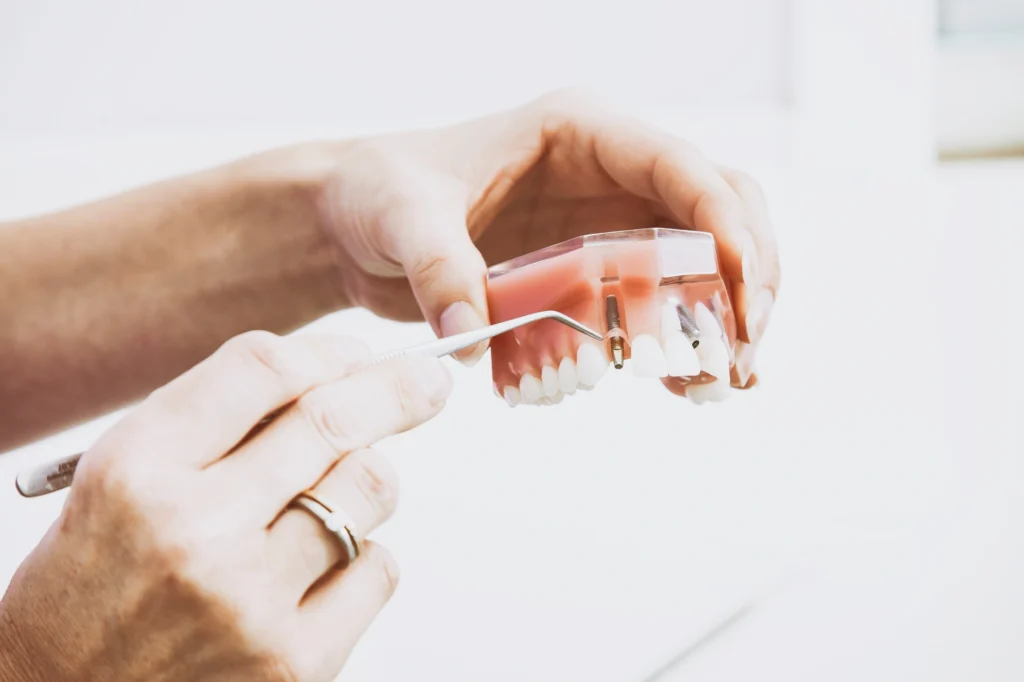
Following a soft diet is even more important in this situation, because the implant is carrying a restoration from day one. Biting into hard or sticky foods can place stress on the implant before it has fully integrated. Your clinician will give you specific guidance, which may involve a soft diet for several weeks.
Months Two to Six
As healing progresses, your clinician will review the implant and confirm when it is safe to resume normal chewing. Once your permanent crown or bridge is fitted, most people can enjoy virtually all the foods they ate before losing their teeth.
Even then, it is wise to avoid using implants to crack nuts, chew ice or bite very hard sweets, just as you would with natural teeth.
Staying Nourished
Soft diets can sometimes lack protein, fibre and vitamins. A few tips help keep nutrition on track:
• Include a source of protein at every meal, such as eggs, fish, beans or yoghurt.
• Blend vegetables into soups to keep vitamin intake up.
• Drink plenty of water throughout the day.
• Choose fortified products if your appetite is reduced.
If you have diabetes or other medical conditions, follow any dietary advice from your GP or specialist alongside your dental guidance.
Building Good Habits for the Future
Recovery is a good time to reset daily routines. Brushing carefully, cleaning between teeth and keeping sugary snacks to mealtimes all help protect your implants and natural teeth alike.
Our article Dentist in Portsmouth: How to Make Preventive Care More Consistent offers practical ideas for building habits that last, which are especially valuable after implant treatment.
When to Contact the Practice
Get in touch if you experience:
• Increasing pain after the third day.
• Swelling that worsens rather than improves.
• Bleeding that does not settle with pressure.
• A loose temporary tooth or implant.
• Signs of infection such as fever or a bad taste.
Your dental practice Clapham team, or whichever practice placed your implant, will be able to advise you. Many offer post-operative review appointments to check healing.
Planning Your Treatment
If you are considering implants, it helps to plan your recovery in advance. Stock up on soft foods, plan meals for the first week and arrange time off work if needed. A dental practice Clapham patients rely on can explain whether immediate implant placement is suitable for you and what your recovery will involve. Asking about implant aftercare guidance at your consultation also helps you prepare.
Final Thoughts
Eating well after implant surgery is about balancing comfort, protection and nutrition. Start with cool, smooth foods, progress gradually to softer textures and avoid hard or chewy foods on the implant side until your clinician confirms it is safe. Taking care during these early weeks supports healing and helps your implant last for many years. If you would like advice about implant treatment or recovery, the friendly team at Perfect Smile will be happy to guide you through every stage, from planning to your final crown.
Comments
Post a Comment