How Do Invisible Braces Move Teeth? The Science Explained
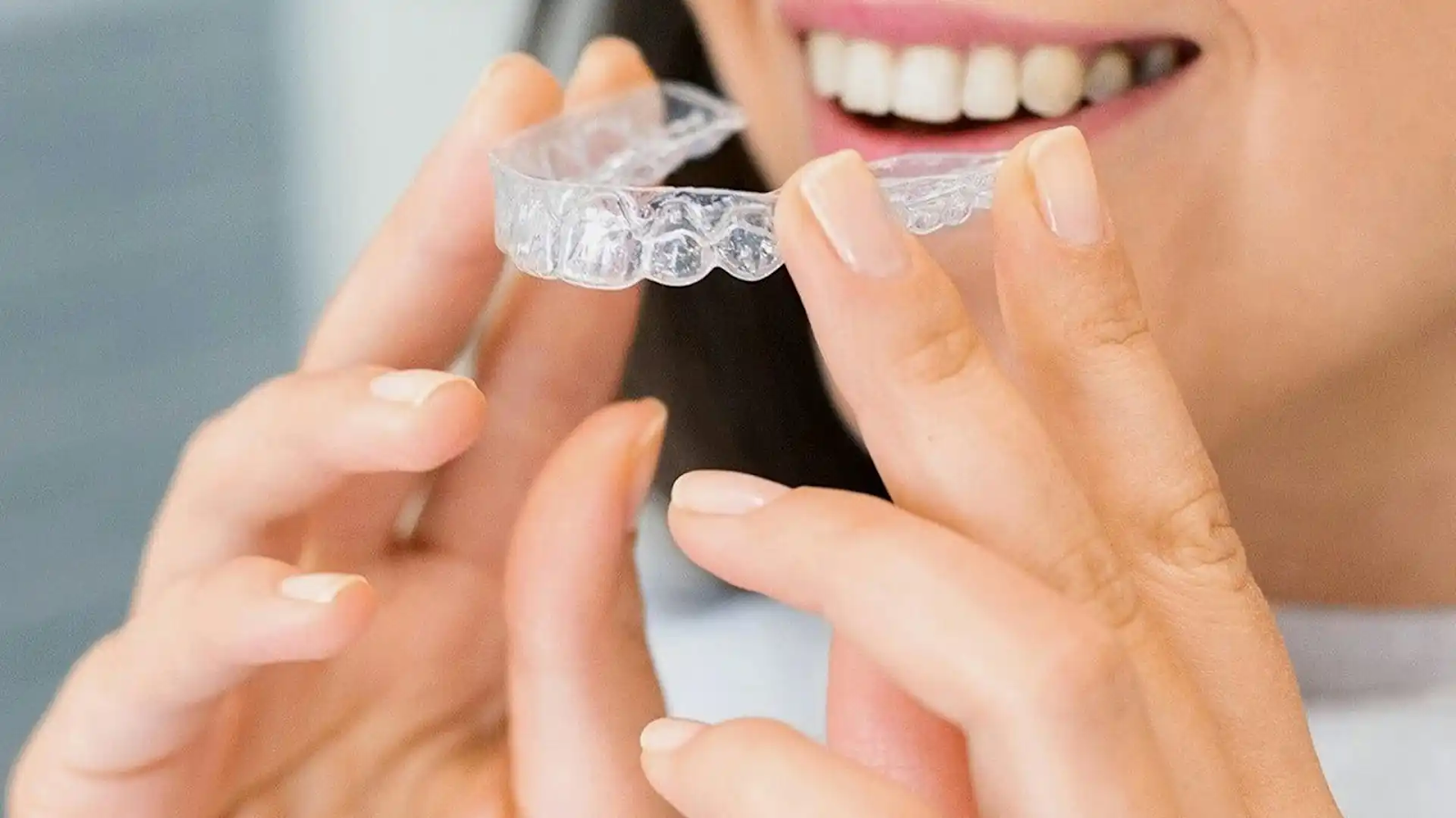
It seems almost impossible. A thin, flexible piece of plastic, worn for a few weeks and then swapped for the next, gradually shifts teeth that have been firmly in place for decades. Many people assume teeth are fixed solidly into the jaw like posts in concrete, so the idea that they can move at all is surprising. The truth is that teeth sit in living tissue that constantly remodels itself. Understanding the biology and engineering behind clear aligners explains why they work, why treatment takes time and why retainers matter so much afterwards.
Teeth Are Not Fixed in Bone
Each tooth is held in its socket by a thin layer of tissue called the periodontal ligament. This ligament is made up of fibres that connect the root of the tooth to the surrounding bone. It acts as a shock absorber when you chew and allows the tooth a tiny amount of natural movement.
The bone around the tooth is not static either. Throughout life, it is constantly being broken down and rebuilt in response to the forces placed upon it. This process, known as bone remodelling, is the key to orthodontic movement. Before any movement begins, a proper assessment is essential, and our article Peach Street Dentist: What Your First Appointment Should Cover explains what a good first visit should include.
The Biology of Tooth Movement
When a gentle, continuous force is applied to a tooth, it creates two different zones around the root.
The pressure side
On the side the tooth is being pushed towards, the periodontal ligament is compressed. This triggers specialised cells called osteoclasts, which gradually break down the bone in that area, making room for the tooth to move.
The tension side
On the opposite side, the ligament is stretched. This stimulates cells called osteoblasts, which lay down new bone to fill the space left behind as the tooth moves.
Through this balance of removing bone on one side and building it on the other, the tooth slowly shifts through the jaw. It is a natural biological process, the same one that allows braces of any kind to work.
Why Gentle Force Matters
Teeth move best with light, consistent pressure. Too much force can damage the ligament and roots, slow movement and cause discomfort. That is why orthodontic treatment moves teeth in small increments over months rather than all at once.
Each aligner is designed to move teeth by only a fraction of a millimetre. Once the teeth have reached the position of one aligner, the next one continues the movement.
How Aligners Deliver the Force
Transparent braces work by fitting very closely over the teeth. Each aligner is shaped slightly differently from the current position of the teeth. When worn, the plastic gently pushes against specific surfaces, applying controlled pressure in the intended direction.
Precision manufacturing
Modern aligners are designed using 3D digital scans of the teeth. Specialised software maps out the movement of each tooth from its starting position to its final one, dividing the journey into many stages. Each stage becomes an individual aligner, manufactured to a precise shape.
Material science
Aligner materials are engineered to be flexible enough to fit comfortably yet firm enough to apply consistent force. High-quality materials maintain that force throughout the time each aligner is worn.
The Role of Attachments
Smooth plastic alone cannot grip every tooth effectively, particularly for movements such as rotation or raising and lowering teeth. Small tooth-coloured bumps called attachments are often bonded to certain teeth. These give the aligner something to push against, allowing more complex movements to be achieved.
Attachments are discreet and are polished away at the end of treatment.

Why Wear Time is So Important
Tooth movement relies on continuous force. When aligners are removed for long periods, the pressure stops and the bone remodelling process pauses. Teeth may even begin to drift back.
This is why aligners usually need to be worn for around 20 to 22 hours a day. Consistent wear keeps the biological process running smoothly and helps treatment stay on track.
Why Teeth Feel Sore at First
When you start a new aligner, you may notice pressure or tenderness for a day or two. This is the periodontal ligament responding to the new force and the remodelling process beginning. The sensation usually fades as the teeth adapt.
Why Retainers Are Essential
Once teeth reach their new positions, the surrounding bone and fibres need time to stabilise. Some of the fibres around the teeth, particularly those in the gums, have a natural tendency to pull teeth back towards their original positions for many months after treatment.
Wearing retainers holds teeth in place while this stabilisation happens, and continued night-time wear helps prevent gradual drifting over the years. Ask about retainer options before treatment ends.
What Your First Visit Involves
Before any of this science can begin, a thorough assessment is needed, covering your medical history, an examination and a discussion of your goals.
For aligner treatment, the first visit will usually also include photographs, X-rays and a digital scan. A dental practice Putney patients visit for orthodontic care can use this scan to show a simulation of how your teeth could move.
Who Can Benefit?
Transparent braces can treat a wide range of concerns, including crowding, spacing and many bite problems. Suitability depends on the complexity of the case, gum health and your commitment to wearing the aligners. A free aligner consultation at some practices offers a simple way to find out more.
If you are considering treatment, a dental practice Putney residents trust can assess your teeth and explain whether aligners or another approach would suit you best. Asking about teeth straightening finance can also help you plan.
Final Thoughts
Clear aligners move teeth by harnessing the body's natural ability to remodel bone. Gentle, continuous pressure compresses the ligament on one side and stretches it on the other, triggering bone to be removed and rebuilt so teeth can shift gradually. Precision design, attachments and consistent wear make that process predictable, and retainers protect the results. If you would like to see how this could work for your smile, the knowledgeable team at Perfect Smile will be glad to explain everything in detail at a relaxed consultation.
Comments
Post a Comment