Crowding, Gaps and Bite Issues: What Full Treatment Covers
Not every straightening case is a quick tidy-up of one or two front teeth. Many adults have a combination of problems: teeth that overlap in one area, gaps in another and a bite that does not quite meet as it should. Light, short-term aligner packages are designed for minor adjustments, but more complex cases need a comprehensive approach that addresses the whole mouth. Understanding which problems a full course of treatment can correct, and what is included along the way, helps you judge whether it is the right fit for your smile.
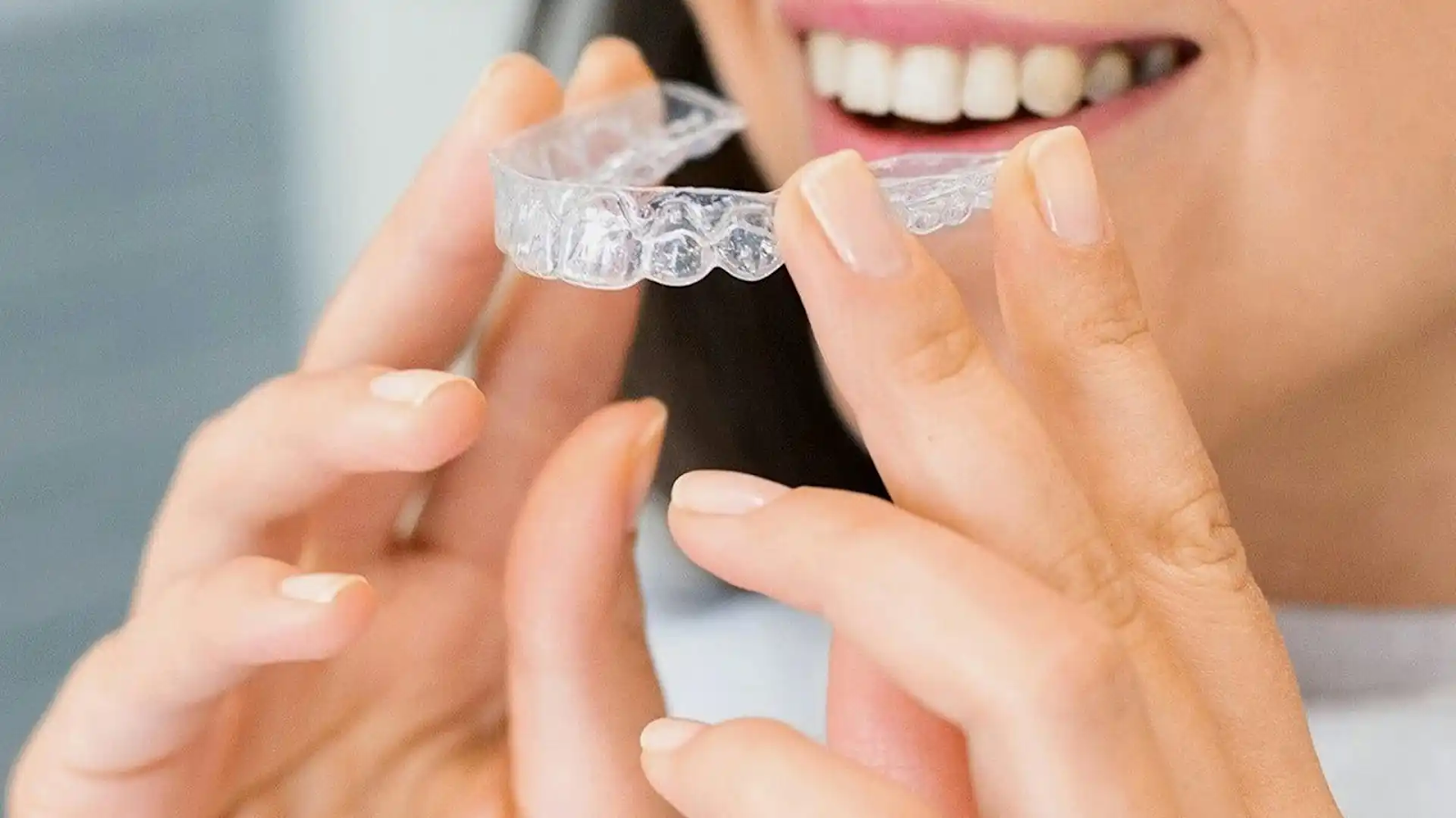
What Comprehensive Aligner Treatment Means
Clear aligner systems are often offered at different levels. Shorter options suit mild cosmetic concerns, while comprehensive treatment is designed for moderate to complex cases involving several teeth, both arches and the way the upper and lower teeth fit together.
Invisalign Full is the name often used for this most complete level of treatment. Rather than focusing only on the front teeth, it considers the entire smile and bite, with as many aligners as are clinically needed within the treatment plan.
Problem 1: Crowding
Crowding occurs when there is not enough space for teeth to line up neatly. Teeth may overlap, twist or sit in front of or behind their neighbours.
How it is treated
Space can be created by gently widening the arch, by polishing tiny amounts of enamel from between certain teeth or, in some cases, by moving teeth backwards. The aligners then guide each tooth into its correct position in small, carefully planned stages.
Crowded teeth are harder to clean, so correcting them can also make daily hygiene easier and reduce the risk of decay and gum disease.
Problem 2: Gaps and Spacing
Gaps between teeth can result from small teeth, a large jaw, missing teeth or habits such as tongue thrusting. A gap between the two upper front teeth is particularly common.
How it is treated
Aligners gradually move teeth together to close spaces. Where a tooth is missing, the plan may instead focus on redistributing space so that a bridge or implant can be placed in the ideal position.
Problem 3: Overbite
An overbite, sometimes called a deep bite, is when the upper front teeth overlap the lower front teeth too much vertically. In severe cases, the lower teeth may bite into the gum behind the upper teeth.
How it is treated
Aligners can intrude or extrude specific teeth, raising or lowering them slightly to correct the overlap. Small tooth-coloured attachments and, in some cases, bite ramps help achieve these movements.
Problem 4: Underbite
An underbite occurs when the lower teeth sit in front of the upper teeth when biting. This can affect chewing, speech and facial appearance.
How it is treated
Mild to moderate underbites caused by tooth position can often be improved with aligners, sometimes alongside small elastic bands that apply gentle force between the upper and lower jaws. Severe underbites caused by jaw size may require a combination of orthodontics and jaw surgery.
Problem 5: Crossbite
A crossbite happens when some upper teeth sit inside the lower teeth rather than outside them. It can affect front or back teeth and may lead to uneven wear or jaw discomfort.
How it is treated
Aligners can expand the upper arch or move individual teeth to bring them into the correct relationship.
Problem 6: Open Bite
An open bite is when the front teeth do not meet when the back teeth are together. It can be caused by habits such as thumb sucking or tongue posture.
How it is treated
Aligners can help bring the front teeth together, although addressing underlying habits is also important for stable results.

What is Usually Included
Comprehensive treatment typically includes:
• A detailed assessment with photographs, X-rays and a digital scan.
• A 3D treatment plan showing the expected movement.
• All aligners needed during the planned treatment.
• Attachments and any minor procedures such as enamel polishing.
• Regular progress reviews.
• Refinement aligners if adjustments are needed towards the end.
Retainers to maintain your results may be included or charged separately, so it is worth checking.
How Long Does Full Treatment Take?
Treatment time varies depending on the complexity of the case. Comprehensive treatment often takes between twelve and eighteen months, though some cases are shorter and others longer. Wearing aligners for around 20 to 22 hours a day is essential to stay on schedule.
Looking After Existing Dental Work
If you have crowns, bridges or fillings, your clinician will check them before treatment begins. Occasionally, a crown can become loose during orthodontic treatment or for unrelated reasons. Our article Emergency Dentist in London: What If a Crown Comes Loose? explains what to do if this happens.
Is Full Treatment Right for You?
You may benefit from comprehensive treatment if you have:
• Crowding or spacing affecting several teeth.
• A noticeable overbite, underbite, crossbite or open bite.
• Concerns about both the appearance and function of your teeth.
• Previous orthodontic treatment that has relapsed significantly.
A consultation at a dental practice Hammersmith patients trust can confirm whether full treatment is needed or whether a shorter option would suffice. The digital smile simulation shows how your teeth could move and roughly how long it might take.
Planning and Finance
Comprehensive treatment is a significant investment in both appearance and long-term dental health. Many practices offer orthodontic finance plans to spread the cost. When comparing Invisalign Full with other options, consider what is included, how many reviews are provided and whether retainers are part of the package.
A dental practice Hammersmith clinicians run can provide a clear written estimate after assessment.
Final Thoughts
Comprehensive aligner treatment is designed for more than cosmetic touch-ups. It can address crowding, gaps and a wide range of bite problems, improving both the look and function of your smile. With careful planning, consistent wear and regular reviews, many adults achieve results that once required fixed braces. If you would like to find out whether full treatment is right for your teeth, the friendly team at Perfect Smile will be happy to carry out a detailed assessment and explain your options clearly and honestly.
Comments
Post a Comment