Does Smoking Affect Implant Healing? What Evidence Says
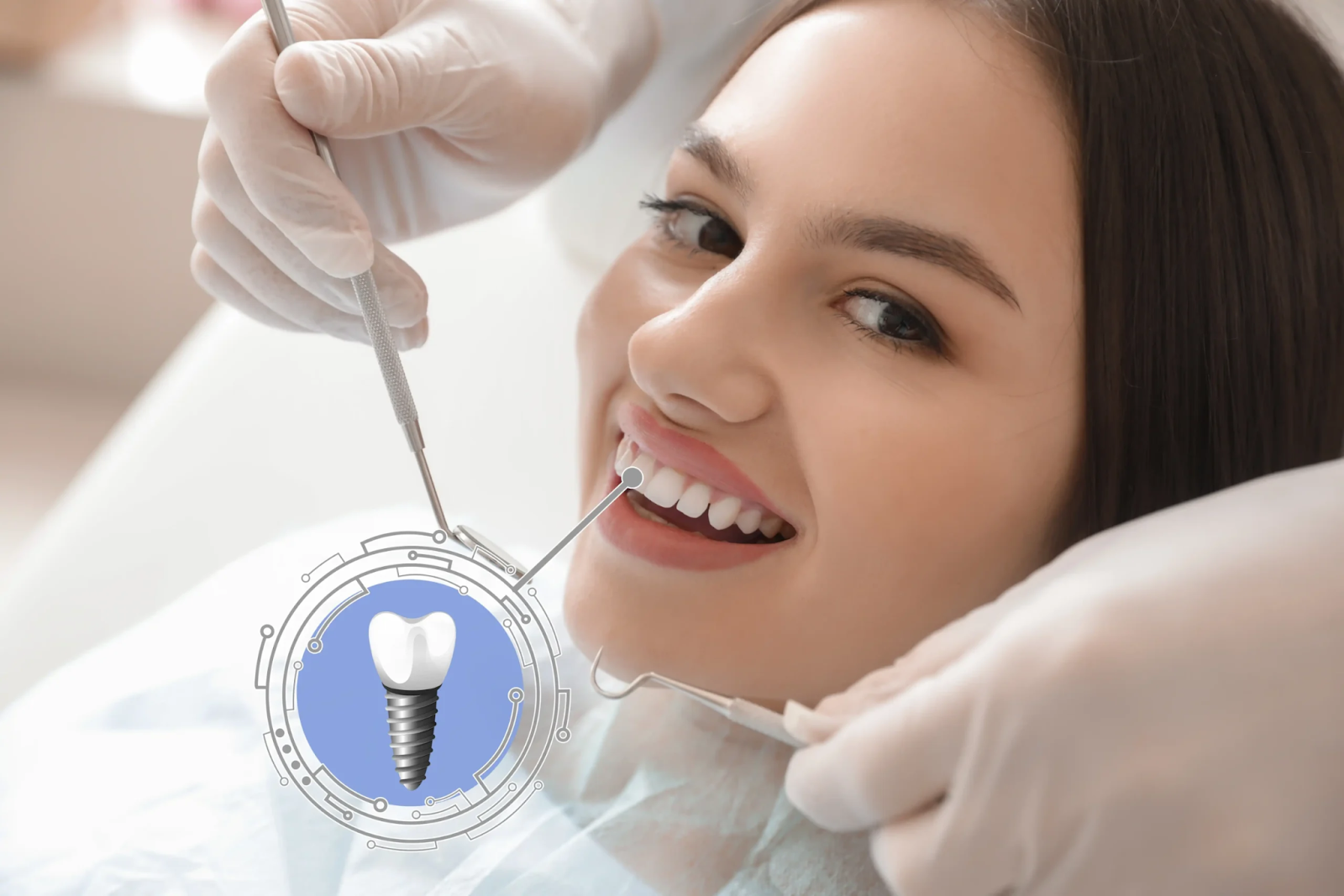
Anyone considering implants will quickly hear the same piece of advice: stop smoking if you can. It can feel like a standard health message repeated out of habit, but in this case there are very specific reasons behind it. Implants depend on a healing process inside the jawbone, and that process is sensitive to anything that reduces blood flow or weakens the body's defences. Understanding exactly how tobacco interferes, what research has found and what practical steps help can make the decision to quit feel far more meaningful and achievable.
How Implants Heal
After an implant is placed, the bone around it gradually grows onto its surface and locks it into place. This process, called osseointegration, usually takes several months. At the same time, the gum tissue heals around the top of the implant, forming a seal that protects the bone from bacteria.
Both stages depend on a healthy blood supply delivering oxygen, nutrients and immune cells to the area. Anything that disrupts that supply can slow healing or allow problems to develop. Even minor issues deserve prompt attention, as our article When Small Dental Problems Need Attention from a Dentist in Hammersmith explains.
What Smoking Does to the Mouth
Reduced blood flow
Nicotine causes blood vessels to narrow, reducing the amount of blood reaching the gums and bone. With less oxygen and fewer nutrients, tissues heal more slowly and are more vulnerable to infection.
Lower oxygen levels
Carbon monoxide in cigarette smoke binds to red blood cells more readily than oxygen, further reducing the oxygen available to healing tissues.
Weakened immune response
Smoking affects the function of white blood cells, making it harder for the body to fight bacteria around a new implant.
Heat and chemicals
Tobacco smoke exposes the healing site to heat and toxic chemicals, which can irritate the tissues directly.
What the Research Shows
Studies over many years have consistently found that smokers have a higher risk of implant problems than non-smokers. Research has linked smoking with:
• A greater likelihood of implants failing to integrate with the bone.
• More bone loss around implants over time.
• A higher risk of peri-implantitis, a gum infection around implants.
• More complications following bone grafting procedures.
The risk appears to increase with the number of cigarettes smoked each day. Heavy smokers generally face greater risk than light smokers, though no level of smoking is considered safe for healing.
It is important to note that many smokers do have successful implants. Smoking does not make implants impossible, but it does tip the odds in the wrong direction.
What About Vaping?
Many people switch to e-cigarettes believing they are a safer option for oral health. Vaping avoids some of the harmful chemicals and carbon monoxide found in cigarette smoke, but most products still contain nicotine, which narrows blood vessels.
Research on vaping and implants is still emerging, so firm conclusions are difficult. However, most clinicians recommend avoiding nicotine in all forms during healing wherever possible.
The Benefits of Quitting
Stopping smoking, even temporarily, can make a real difference. Blood flow and oxygen levels begin to improve within days of quitting, and the body's healing ability continues to strengthen in the weeks that follow.
Clinicians commonly advise stopping for a period before surgery and continuing to avoid smoking throughout the healing phase. Quitting permanently gives implants the best long-term outlook, along with countless other health benefits.
Practical Steps to Help You Stop
Quitting can be challenging, but support is widely available:
• NHS Stop Smoking services offer free, personalised support.
• Nicotine replacement therapy can reduce cravings, though discuss its use during healing with your clinician.
• Apps and online tools can help track progress and motivation.
• Your GP or pharmacist can advise on stop smoking medicines.
• Telling family and friends your plans can provide valuable encouragement.
Setting a quit date that falls well before your implant appointment gives your body time to recover.

Planning Treatment as a Smoker
If you are not able to stop completely, it is important to be honest with your clinician. A dentist in Woking will take your smoking history into account when assessing your suitability and planning treatment. They may suggest:
• Extra time between stages of treatment.
• More frequent reviews during healing.
• Additional hygiene visits to monitor gum health.
• Specific aftercare instructions to reduce risk.
Being open allows the team to plan safely and give you realistic expectations about outcomes.
Looking After Implants Long Term
Whether or not you smoke, implants need excellent daily care and regular professional maintenance. Brushing carefully, cleaning around implants with suitable aids and attending hygiene appointments help prevent inflammation.
For people choosing dental implants woking practices provide, regular reviews and X-rays are a valuable way to monitor bone levels over time. Ask about implant maintenance plans that combine reviews, cleaning and monitoring in one schedule. A dentist in Woking can also offer stop smoking advice tailored to your treatment timeline.
Is It Too Late to Stop?
It is never too late. Even if you already have implants, stopping smoking reduces the risk of future gum problems and bone loss around them. It also improves the health of your natural teeth, lowers your risk of mouth cancer and benefits your general health in many ways.
If you are thinking about dental implants woking clinicians can assess you for, stopping smoking before your consultation shows commitment to long-term success and may open up more treatment options.
Final Thoughts
Smoking affects implant healing by reducing blood flow, limiting oxygen and weakening the body's defences, and research consistently links it with higher rates of complications. While it does not automatically rule implants out, quitting gives treatment a much better chance of lasting success. Support to stop is widely available, and being honest with your clinician ensures your care is planned safely. If you would like advice on implants and how to prepare for treatment, the supportive team at Perfect Smile will be happy to help you every step of the way.
Comments
Post a Comment