Stained Teeth Despite Brushing? Understanding Your Whitening Options
It can be frustrating to brush every morning and night, only to notice that your smile still looks duller than you would like. Many people assume this must mean they are not cleaning properly, but that is rarely the whole story. Discolouration has several different causes, some on the surface and some deep inside the tooth, and each responds differently to treatment. Understanding why stains appear, which ones a toothbrush can tackle and which need professional help makes it much easier to choose an approach that will give you the brighter result you want.
A Few Myths About Discoloured Teeth
Before looking at causes and options, it helps to clear up some common misunderstandings.
Myth: stains mean poor hygiene
Not necessarily. Some of the most conscientious brushers have noticeable discolouration because of diet, genetics or ageing. Brushing removes plaque and some surface staining, but it cannot change the natural colour of a tooth.
Myth: brushing harder will help
Scrubbing more forcefully, or using very abrasive pastes, can actually wear away enamel over time. Thinner enamel lets more of the yellower dentine underneath show through, which can make teeth look darker rather than lighter.
Myth: whitening toothpaste will make teeth several shades whiter
Whitening toothpastes can help remove surface stains, but they do not change the underlying shade of the tooth. They work best for maintaining results rather than creating them.
Why Teeth Become Stained
Discolouration generally falls into two groups: stains on the outside of the tooth and changes within it.
Surface stains
These sit on the outer layer of enamel and are usually caused by:
- Tea, coffee and red wine.
- Curries, berries and dark sauces.
- Smoking and other tobacco use.
- Some mouthwashes, particularly those containing chlorhexidine, if used long term.
Surface stains often respond well to a professional clean and polish, and sometimes that alone makes a noticeable difference.
Internal discolouration
These changes come from within the tooth and cannot be brushed away. Common causes include:
- Natural ageing, as enamel thins and dentine darkens.
- Trauma, which can cause a single tooth to turn grey.
- Certain medicines taken during childhood when teeth were forming.
- Excess fluoride exposure during tooth development.
- Old root canal treatment.
Ageing is one of the most widespread reasons, and our article Why Teeth Darken With Age: Considering Teeth Whitening Earlsfield explains the process in more detail.
Step One: Have Your Teeth Checked
The first step is always an examination. A dentist in Earlsfield can identify what type of staining you have, check that your teeth and gums are healthy and spot any issues, such as decay or worn fillings, that need treating before cosmetic work begins.
This matters because whitening is not suitable for everyone. Gum disease, untreated cavities or significant sensitivity should be addressed first. It is also important to know that whitening only works on natural teeth, so existing crowns, veneers and fillings will not change colour.
Step Two: Start With a Professional Clean
If surface staining is the main issue, a scale and polish appointment may be all you need. Hygienists remove tartar and stains that have built up along the gumline and between teeth, often revealing a noticeably brighter smile without any bleaching at all.
Many people are surprised by the difference this makes, and it also gives a clean starting point if you go on to whiten later.
Step Three: Consider Professional Whitening
If teeth are naturally darker or stains are internal, professional whitening is the most effective option. In the UK, tooth whitening can only legally be carried out by a dentist, or by a dental hygienist or therapist working on a dentist's prescription. Products used must also contain no more than 6% hydrogen peroxide, and treatment is not provided to under-18s except to treat disease.
Home whitening with custom trays
The most common approach involves custom-made trays that fit your teeth precisely. You apply a whitening gel at home, usually for a set time each day or overnight, over a period of a few weeks. Results develop gradually, which makes them easier to control.
In-practice whitening
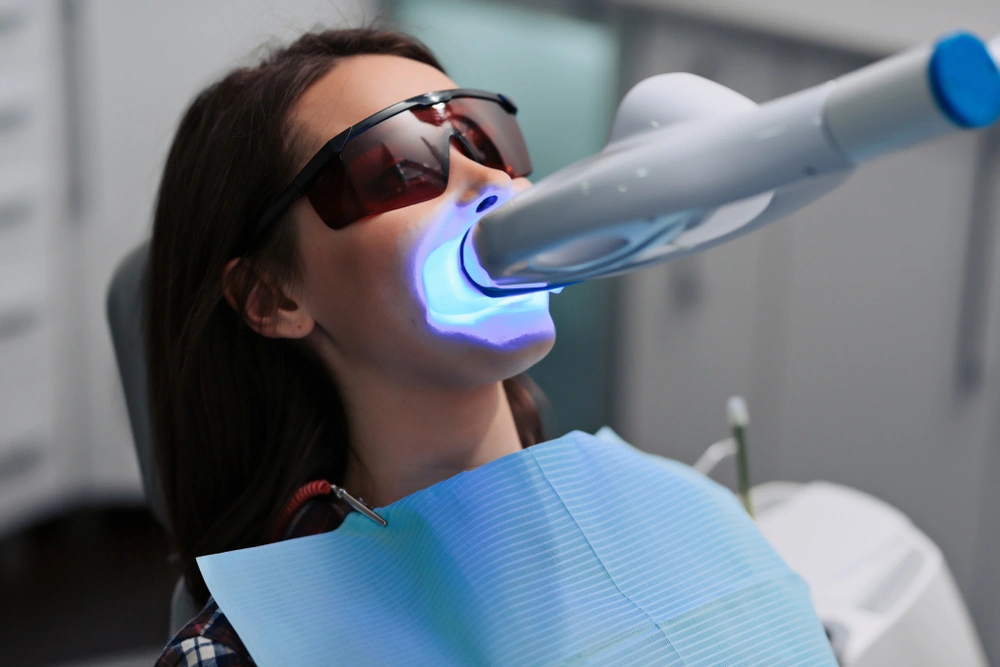
Some practices offer a chairside treatment to give a head start, often followed by home trays to complete the process. Your dentist will advise whether this suits you.

Choosing professional teeth whitening Earlsfield patients can rely on means the treatment is planned, monitored and adjusted to your needs, reducing the risk of uneven results or sensitivity.
Step Four: Treat Single Dark Teeth Differently
A single grey tooth, often caused by an old knock or root canal treatment, may not respond to standard whitening. Options include internal bleaching from inside the tooth, or covering it with composite bonding or a veneer. Your dentist will explain which approach is most appropriate.
Is Whitening Safe?
When carried out by a registered dental professional using approved products, whitening is considered safe. The most common side effect is temporary sensitivity, which usually settles within a few days of finishing treatment. Gum irritation can occur if gel touches the gums, which is why custom-fitted trays matter.
Beauty salons and kiosks offering whitening are acting illegally, and over-the-counter kits bought online may contain unsafe ingredients. Avoiding these protects both your teeth and your gums. If in doubt, ask a dentist in Earlsfield to confirm who will carry out your treatment and which products they use.
Keeping Your Smile Bright
Whitening results are not permanent, but good habits help them last:
- Rinse with water after tea, coffee or red wine.
- Drink dark drinks through a straw where practical.
- Brush twice daily and clean between teeth.
- Keep up regular hygiene appointments.
- Use top-up gel occasionally if your dentist recommends it.
- Avoid smoking, which quickly re-stains teeth.
Following these steps, many people keep a brighter smile for a year or more before needing a whitening top-up.
Final Thoughts
Stains that will not shift with brushing are common and rarely a sign that you are doing anything wrong. Surface marks often lift with a professional clean, while bigger or age-related changes respond best to carefully supervised whitening. Starting with an examination ensures your teeth are healthy and that you choose the right method for the type of discolouration you have. If you would like honest advice on brightening your smile safely, the friendly team at Perfect Smile will be delighted to assess your teeth and talk you through the options.
Comments
Post a Comment