Preventive Dental Care: Simple Ways to Build a Consistent Routine
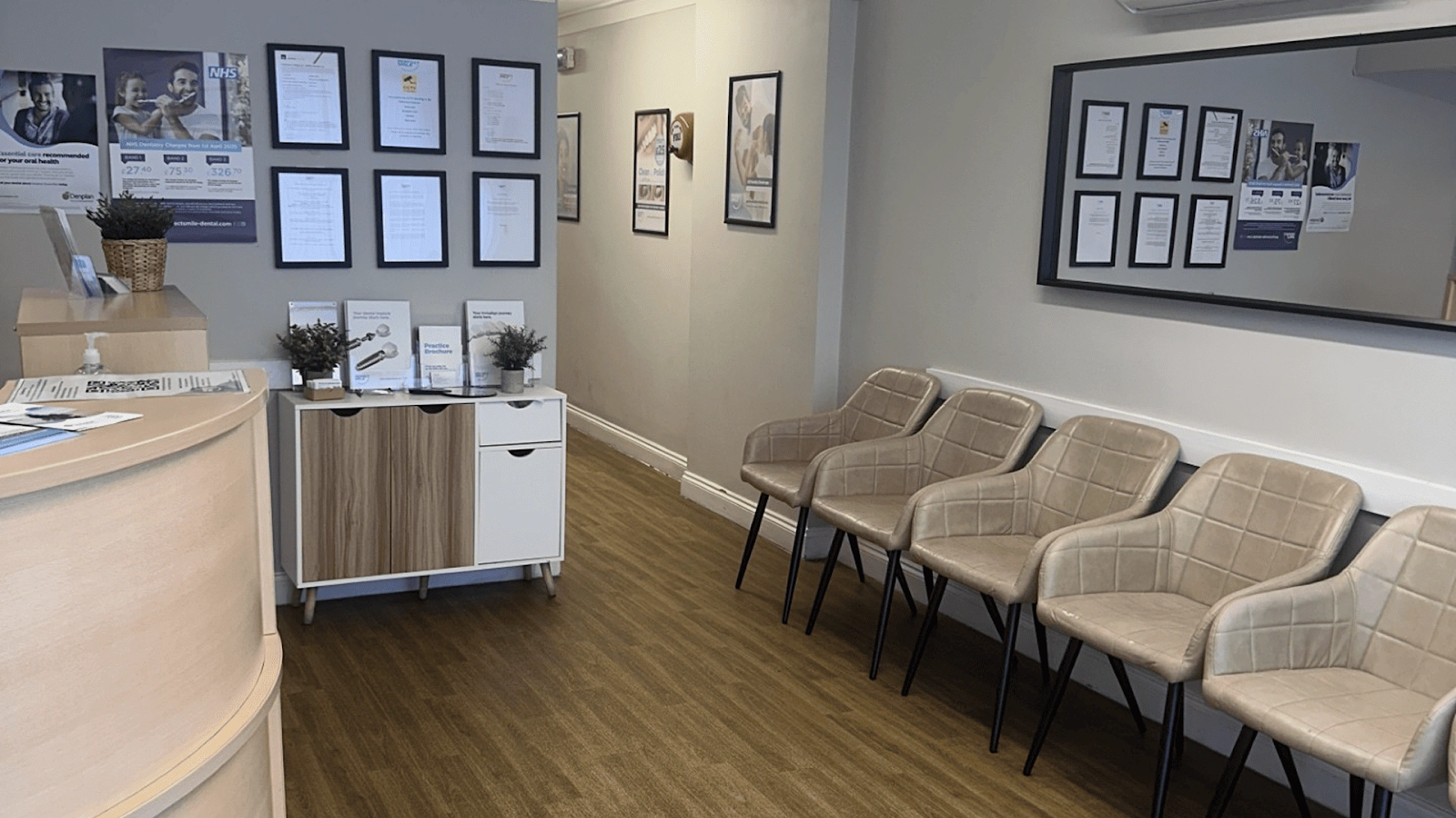
Most people already know the basics of looking after their teeth. Brush twice a day, cut down on sugar, visit the dentist regularly. The difficulty is rarely knowledge; it is consistency. Busy mornings, late nights, travel and simple forgetfulness all get in the way. The result is a routine that works well some weeks and slips in others. Building habits that stick does not require willpower so much as a smarter approach. Small, realistic changes, linked to things you already do each day, can transform your oral health without feeling like a chore.
Why Consistency Beats Perfection
Plaque begins forming on teeth within hours of brushing. If it is removed twice a day thoroughly, it rarely causes harm. If it is left for a day or two, it starts irritating the gums and, combined with sugar, produces acids that attack enamel.
That is why a modest routine followed every day is far more effective than an elaborate one followed occasionally. Two good brushes daily, with cleaning between the teeth once a day, will do more for your mouth than an intense cleaning session once a week.
Start With the Essentials
Before thinking about habits, make sure your routine covers the core elements recommended by UK dental guidance.
Brushing
Brush twice a day for about two minutes, with one of those times last thing at night. Adults should use a fluoride toothpaste containing 1,350 to 1,500 ppm fluoride. Spit out afterwards rather than rinsing with water, so the fluoride stays on your teeth longer.
Cleaning between teeth
A toothbrush cannot reach the tight spaces between teeth, where plaque and food collect. Interdental brushes or floss used once a day clean these areas and help prevent both decay and gum disease.
Diet
How often you have sugar matters more than how much. Keeping sugary foods and drinks to mealtimes, rather than grazing throughout the day, gives teeth time to recover between acid attacks.
Regular visits
Check-ups catch problems early, and hygiene appointments remove deposits that home cleaning misses. If you live locally, a dentist in Portsmouth will recommend how often you need to be seen based on your individual risk.

Habit-Building Techniques That Actually Work
Anchor new habits to existing ones
One of the most effective ways to build a habit is to attach it to something you already do without thinking. For example, clean between your teeth straight after you turn off the kettle in the evening, or brush immediately after you change for bed. The existing routine acts as a reminder.
Make it easy to start
Keep your toothbrush, toothpaste and interdental brushes somewhere visible, not tucked away in a cupboard. If you often forget at night, keep a spare kit in a second bathroom or by your bed. The fewer steps involved, the more likely you are to follow through.
Use technology as a prompt
Many electric toothbrushes include two-minute timers and pressure sensors. Phone reminders or apps can also help, especially when you are first establishing a habit. A professional teeth cleaning visit is a good moment to ask your hygienist which tools would suit your mouth best.
Track your progress
A simple tick on a calendar or a habit-tracking app can be surprisingly motivating. Seeing a run of successful days makes you less likely to break the streak.
Building Routines for the Whole Family
Children learn by copying adults, so brushing together can turn a nightly battle into a shared routine. Supervise children's brushing until around the age of seven, use an age-appropriate fluoride toothpaste and make it fun with songs, timers or reward charts.
For older family members, practical aids such as electric toothbrushes with larger handles or floss holders can make cleaning easier, particularly for anyone with arthritis or limited dexterity. Regular children's dental check-ups also help young ones feel comfortable at the practice from an early age.

Dealing With Common Obstacles
"I am too tired at night"
Brush earlier in the evening, perhaps straight after dinner, while you still have energy. The night-time brush is the most important one, so it is worth protecting.
"I forget when I travel"
Keep a dedicated travel kit packed in your bag at all times, so you never leave without it.
"Flossing is fiddly"
Try interdental cleaning aids such as small brushes or water flossers instead. Many people find these far easier, and your hygienist can recommend the right size.
"I snack a lot during the day"
Swap sugary snacks for cheese, nuts, plain yoghurt or vegetables, and drink water or plain milk between meals.
The Role of Your Dental Team
A good dental team does more than treat problems. They help you understand your personal risks and set realistic goals. Whether you visit a Maple House dentist or another local practice, regular appointments provide accountability, encouragement and early warning of anything that needs attention.
Our article Dentist in Portsmouth: How to Make Preventive Care More Consistent explores further ways to stay on track between appointments, especially during busy periods.
Your team may also recommend extra protection such as fluoride varnish, fissure sealants for children or a high-fluoride toothpaste if you are at higher risk of decay.
A Simple Weekly Routine
To bring it all together, here is a straightforward pattern that suits most adults:
• Every morning: brush for two minutes with fluoride toothpaste.
• Every evening: clean between teeth, then brush for two minutes.
• At mealtimes: keep sugary foods and drinks to meals rather than snacks.
• Weekly: replace a worn toothbrush head if the bristles are splayed.
• Every few months: attend hygiene appointments as recommended.
A Maple House dentist or hygienist can adjust this pattern if you have specific needs, such as gum disease, braces or a dry mouth.
Final Thoughts
Strong teeth and healthy gums come from small actions repeated day after day rather than occasional bursts of effort. Focus on the essentials, link them to routines you already have, remove obstacles and track your progress until the habits run on autopilot. With consistent care at home and regular professional support, many problems can be prevented altogether. If you would like personalised advice on building a routine that suits your lifestyle, the friendly team at Perfect Smile will be glad to help you and your family keep smiling with confidence.
Comments
Post a Comment