Missing Teeth and Food Choices: Restoring Comfort When Eating

Food is one of life's simple pleasures, yet for many people with gaps in their smile, mealtimes slowly become something to manage rather than enjoy. Favourite dishes get quietly dropped, meals take longer, and eating out starts to feel like a minefield. These changes often happen so gradually that they go unnoticed until someone realises how limited their diet has become. The good news is that there are effective ways to restore comfortable chewing. Understanding how tooth loss affects eating is the first step towards getting back to the foods you love.
How Missing Teeth Change the Way You Eat
Teeth work as a team. Front teeth bite and tear, while back teeth grind food into pieces small enough to swallow and digest comfortably. When even one tooth is lost, the others have to work harder and in slightly different ways.
People often start chewing on one side only, cutting food into tiny pieces or swallowing it before it is properly broken down. Over time, the neighbouring teeth can drift or tilt into the gap, and the opposite tooth may over-erupt because it no longer has anything to bite against. These shifts can make chewing even less efficient and sometimes lead to jaw discomfort.
Foods People Commonly Avoid
Everyone is different, but certain foods come up again and again when people describe what they have given up.
Crunchy foods: Raw carrots, apples, nuts and crusty bread need firm biting and strong grinding. With gaps, they can feel awkward, painful or simply impossible to manage.
Chewy foods: Steak, roast meats and some sweets require repeated chewing. Without a full set of back teeth, these can take a long time to break down and may become tiring to eat.
Sticky foods: Toffee, dried fruit and some cereal bars can cling to remaining teeth and lodge in gaps, which is uncomfortable and can increase the risk of decay.
Small, hard foods: Seeds and grains can slip into spaces between teeth and gums, causing irritation.

If any of this sounds familiar, you may find Avoiding Certain Foods Because of Missing Teeth? Try Dental Implants Chiswick a useful companion read, as it looks at how restoring teeth can bring back enjoyment at the table.
The Hidden Effect on Nutrition
When people avoid crunchy fruit and vegetables, lean meats and wholegrains, they often replace them with softer, more processed options. These can be higher in sugar and lower in fibre, vitamins and protein.
Over months and years, this shift can affect general health, energy levels and even weight. For older adults in particular, a restricted diet can contribute to poor nutrition. Restoring the ability to chew properly is therefore about more than comfort; it supports overall wellbeing too.
Confidence at the Table
Eating is also social. Many people with missing teeth admit to feeling self-conscious when eating in front of others, worrying that food will get stuck or that chewing looks awkward. Some start turning down invitations to restaurants or family meals.
This emotional side is just as important as the physical one. A visit to a general dental check-up is a sensible first step, giving you a clear picture of your options without any pressure to commit to treatment.
Options for Replacing Missing Teeth
There is no single right answer for everyone. The best choice depends on how many teeth are missing, the health of your gums and jawbone, your general health and your budget. A dentist in Chiswick can talk you through each option and explain how it would affect your eating in day-to-day life.
Dentures
Removable dentures, either partial or full, are the most affordable option and can be made relatively quickly. Modern designs look natural, but some people find them less stable when chewing firm foods, and they may need adhesive or periodic adjustments as the gums change shape.
Bridges
A fixed dental bridge uses the teeth either side of a gap to support a replacement tooth. It feels more secure than a denture and does not need removing. However, the neighbouring teeth usually need to be prepared, which means removing some of their natural structure.
Implants
An implant is a small titanium post placed in the jawbone, which acts as a replacement root. Once it has healed and fused with the bone, a crown, bridge or denture is attached on top. Because it is anchored in the jaw, it offers chewing strength closer to that of natural teeth.
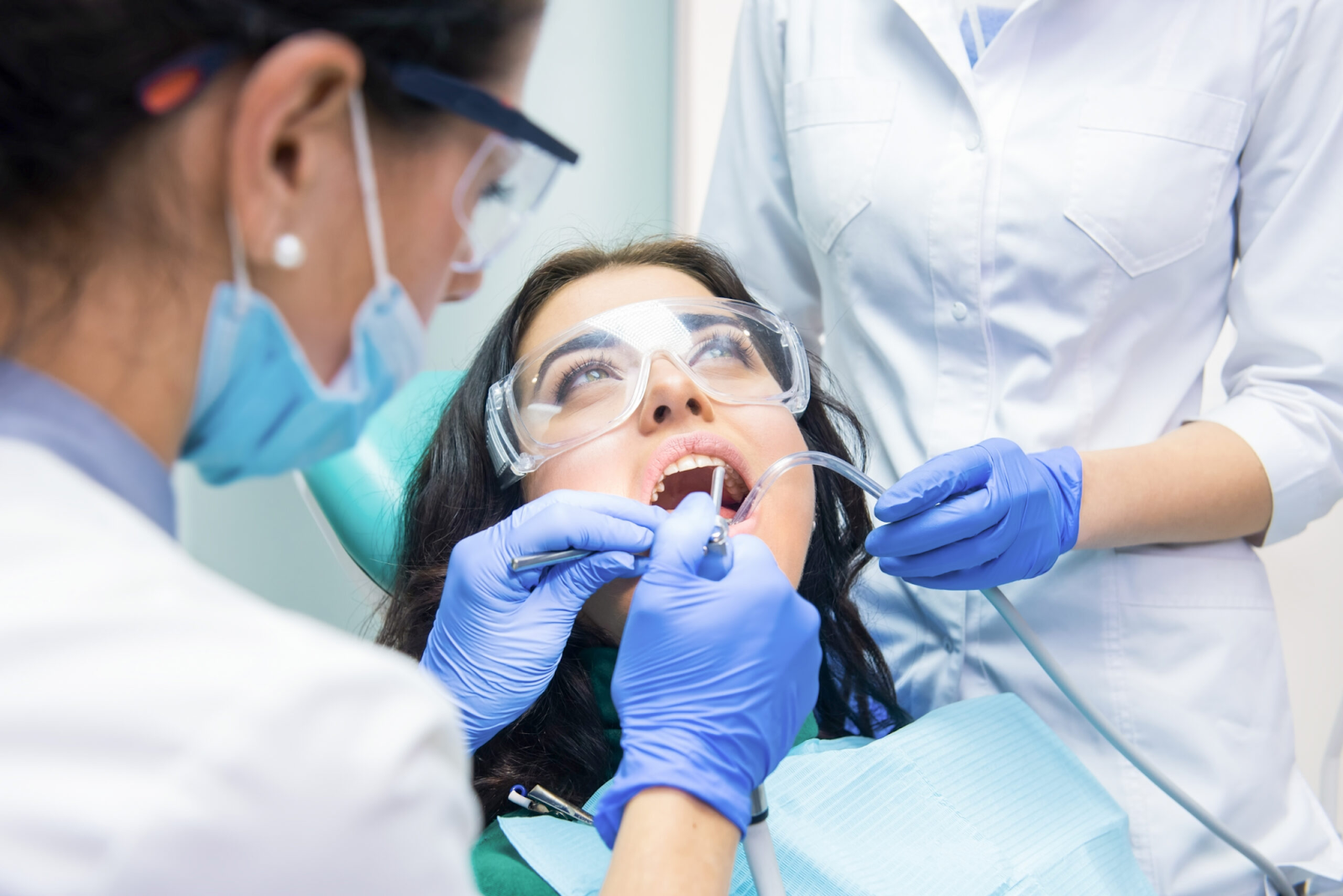
Why Implants Are Often Preferred for Eating
If you have been reading up on dental implants Chiswick practices offer, you will notice they are often recommended because they feel and function much like natural teeth. There is no movement when biting, no need for adhesives and no restriction on the foods you can eat once treatment is complete.
Implants also help preserve the jawbone. When a tooth is lost, the bone that supported it gradually shrinks because it is no longer stimulated by chewing. An implant provides that stimulation, which helps maintain the shape of the face and the stability of nearby teeth.
Treatment usually takes several months from start to finish, allowing time for healing. Your dentist will assess bone levels and general health first, and in some cases bone grafting may be needed before an implant can be placed. Asking about implant finance options early can also help you plan the cost over a manageable period.
Eating Comfortably While You Wait
If you are considering treatment or are partway through it, a few simple habits can make meals easier:
• Cut firm foods into small pieces rather than biting directly.
• Choose softer protein sources such as fish, eggs, beans and slow-cooked meats.
• Steam vegetables until tender rather than eating them raw.
• Chew slowly and evenly, using both sides if possible.
• Rinse with water after meals to clear food from gaps.
These are temporary measures, not long-term solutions, but they can make the interim period much more comfortable.
Questions to Ask at Your Consultation
When you visit a dentist in Chiswick for an assessment, it helps to go prepared. Useful questions include which option would restore chewing best for your particular situation, how long treatment would take, what aftercare is involved and what the full cost would be, including any preparatory work. A good clinician will answer openly and help you weigh the pros and cons honestly, so you can choose the approach that suits your lifestyle.
Final Thoughts
Living with gaps does not have to mean living with a limited diet. Understanding how tooth loss affects chewing, nutrition and confidence makes it easier to see why replacing teeth is worth considering. Whether dentures, a bridge or an implant suits you best, the right solution can bring back crunchy apples, Sunday roasts and relaxed meals with friends. If you would like to explore your options in a calm, unhurried consultation, the friendly team at Perfect Smile will be happy to examine your mouth and explain every possibility clearly.
Comments
Post a Comment