Dental Implants vs Dentures: How to Choose for Everyday Life
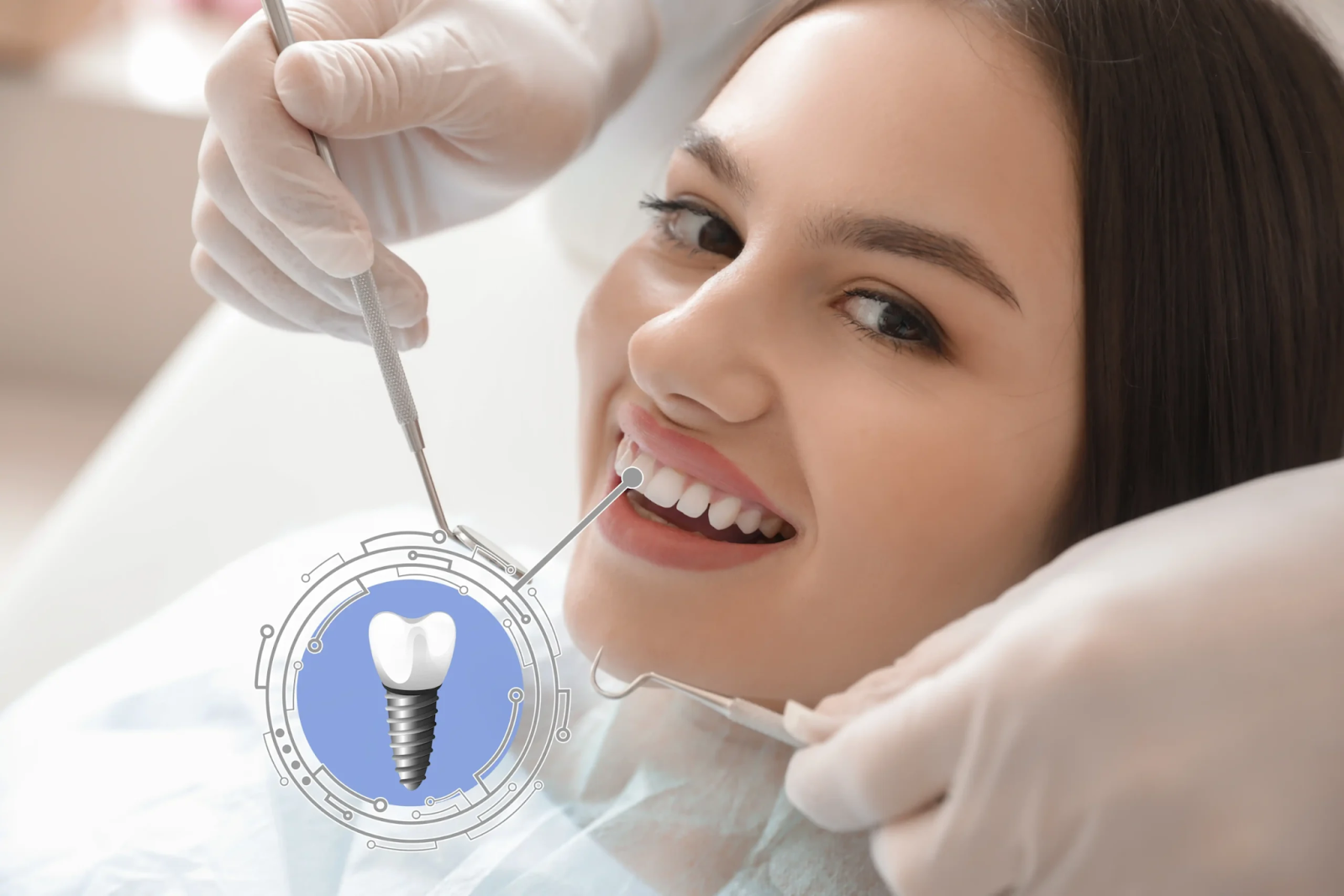
Replacing missing teeth is a decision that touches almost every part of daily life, from the food on your plate to the way you laugh at a dinner party. Brochures and price lists can explain the clinical differences between the main options, but they rarely capture what living with each one is actually like. The best way to choose is to picture an ordinary week and ask how each solution would fit into it. Thinking about real moments, rather than technical specifications, often makes the right answer much clearer for you and your family.
A Quick Overview of Each Option
A denture is a removable appliance that replaces one or several teeth, held in place by suction, clasps or adhesive. Partial dentures fill gaps among existing teeth, while full dentures replace an entire arch.
An implant is a small titanium post placed into the jawbone, which acts as an artificial root. Once it has fused with the bone, it supports a crown, bridge or even a full set of teeth. Implant-retained dentures sit somewhere in between, using a small number of implants to anchor a denture firmly.
Morning Routine
With conventional dentures, the morning usually starts with cleaning the appliance, rinsing it and fitting it, sometimes with adhesive. Many people do this quickly and without fuss once they are used to it, but it is an extra step.
With fixed implant teeth, mornings look much as they did when you had natural teeth. You brush, clean between your teeth and get on with the day. There is nothing to remove, soak or fix in place. Whichever option you choose, if you ever wake up with swelling around a tooth, implant or denture, read Woke Up With Facial Swelling? An emergency dentist bracknell Can Help to understand when to act quickly.
Breakfast, Lunch and Dinner
Eating is where people notice the biggest difference.
Living with dentures
Modern dentures restore much of your ability to eat, but chewing efficiency is generally lower than with natural teeth. Hard, chewy or sticky foods such as steak, nuts or toffee can be tricky, and small seeds sometimes slip underneath and cause discomfort. Upper dentures also cover the roof of the mouth, which can reduce the sense of taste and temperature.
Living with implants
Because implants are anchored in bone, they offer chewing strength much closer to that of natural teeth. Most people can return to a normal diet once treatment is complete, including crunchy fruit and vegetables. Nothing covers the palate, so food tastes as it should.
Talking, Laughing and Socialising
Well-fitting dentures are secure for most everyday conversations. However, some people worry about movement when laughing, sneezing or speaking quickly, and loose dentures can occasionally click or slip. This concern can make social situations feel more stressful than they need to be.
Implants do not move, so there is no need to think about them during conversation. Many patients who choose dental implants Reading clinicians provide say this freedom is the change they value most.
Evening and Overnight Care
Dentures usually need to come out at night to give the gums a rest, and they should be cleaned and stored in water or a cleaning solution. Implant teeth stay in place, and evening care is simply thorough brushing and cleaning around the implants with interdental brushes or a water flosser.
Changes Over the Years
One of the less obvious differences appears gradually. When teeth are lost, the jawbone that supported them slowly shrinks. With dentures, this can cause them to loosen over time, meaning they need relining or replacing every few years, and the face can take on a more sunken appearance.
Implants stimulate the bone in a similar way to natural roots, which helps preserve its volume. This is one of the key reasons many people choose implants for long-term stability, especially younger patients who will be living with their choice for decades.
Health and Suitability
Dentures are suitable for almost everyone and involve no surgery, which makes them a good option for people with certain medical conditions or those who prefer to avoid surgical treatment.
Implants require enough healthy bone and gum tissue, good general health and a commitment to oral hygiene. Conditions such as uncontrolled diabetes, heavy smoking or some medications can affect suitability. A thorough implant consultation includes scans and a medical review to check this carefully.
Comparing the Costs Fairly
Dentures cost considerably less upfront, which makes them an accessible option for many. Implants represent a larger initial investment, although they can last many years with good care.
When comparing the price of dental implants reading clinics quote with dentures, consider the full lifespan. Dentures may need relining, repairs and replacement several times, while well-maintained implants often last much longer. Many practices offer dental implant finance to spread the cost, which can make implants more achievable than people expect.
Questions to Ask Yourself
Before your consultation, it can help to think honestly about the following:
1. How much does eating a wide variety of foods matter to you?
2. Would removing teeth at night bother you?
3. How important is long-term bone preservation in your situation?
4. Are you comfortable with a surgical procedure and healing time?
5. What budget feels realistic, now and over the years ahead?
Your answers will guide the conversation with a dentist in Reading and help them tailor their advice.
When Problems Arise Unexpectedly
Whichever option you choose, it is important to know when to seek help quickly. Swelling, persistent pain or signs of infection around any tooth, implant or denture should never be ignored, and should be checked promptly by a dentist in Reading or your nearest practice.
Getting Personalised Advice
There is no universally right answer, only the right answer for you. A full assessment means your bone levels, gum health, bite and personal preferences can all be considered together. You may also learn about middle-ground options, such as implant-retained dentures, which combine the affordability of dentures with much of the stability of implants.
Final Thoughts
Dentures and implants can both restore your smile, but they feel very different in everyday life. Dentures are affordable, non-surgical and quick to provide, while implants offer stability, natural chewing and long-term bone protection. Picturing your typical day, from breakfast to bedtime, is often the clearest way to see which suits you best. If you would like an honest conversation about your options and what each would mean for your daily routine, the friendly team at Perfect Smile will be glad to help you decide with confidence.
Comments
Post a Comment