Dental Implant Aftercare: What to Do in the First Two Weeks
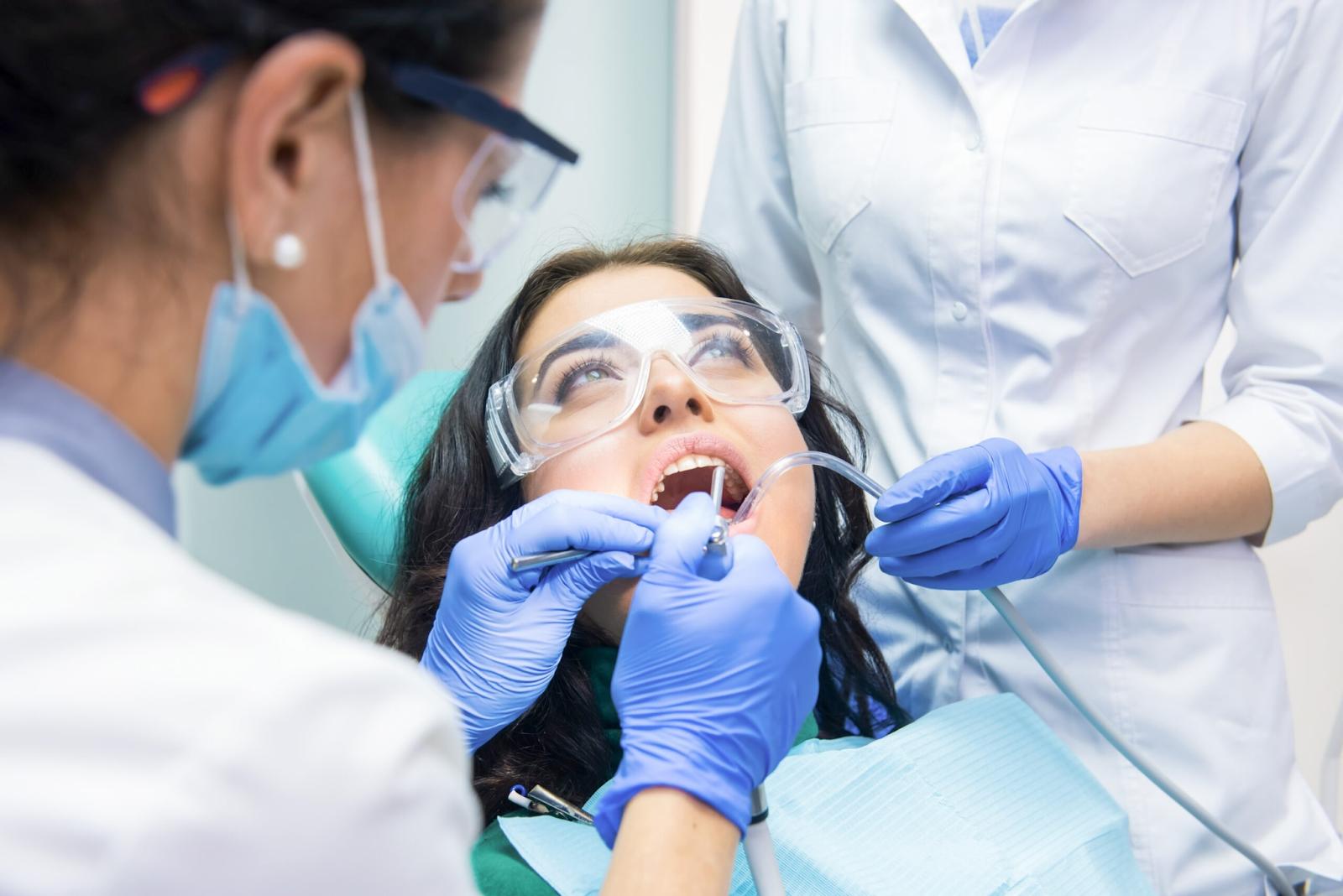
The day of implant surgery is a milestone, but it is only the beginning of the journey. What happens over the following fortnight plays a major part in how comfortably you heal and how well the implant settles into the jawbone. Most people recover smoothly, with only mild discomfort that eases quickly, yet small mistakes during this early window can slow healing or cause avoidable problems. Knowing what to expect each day, and which signs deserve a phone call, helps you feel confident and in control throughout the recovery period.
Before You Leave the Practice
Your clinician will give you personalised instructions, and these always take priority over general advice. Make sure you understand them before heading home, and do not hesitate to ask questions. It helps to have someone with you who can listen too, especially if you have had sedation. If anything is unclear later, your Putney dentist will be happy to go over it again.
It is also wise to prepare at home in advance: stock up on soft foods, have painkillers you know suit you, freeze a couple of ice packs and clear your diary of anything strenuous for a few days.
Day One: Rest and Protect
The first twenty-four hours are about letting a stable blood clot form and keeping swelling under control.
Bleeding
Some oozing is completely normal. Bite firmly on a folded gauze pad for thirty to forty-five minutes, replacing it if it becomes soaked. Saliva may appear pink for a day or two, which is not a cause for concern.
Swelling
Apply a cold compress to the outside of your face for around fifteen minutes at a time, with breaks in between. Swelling usually builds over the first two to three days before settling.
Eating and drinking
Stick to cool or lukewarm soft foods, and avoid hot drinks until any numbness has worn off, so you do not burn your mouth without realising. Chew on the opposite side wherever possible.
What to avoid
• Rinsing your mouth vigorously.
• Smoking or vaping, which significantly increase the risk of complications.
• Alcohol, which can interfere with healing and medication.
• Strenuous exercise or heavy lifting.
• Prodding the area with your tongue or fingers.
Days Two and Three: Gentle Cleaning Begins
From the day after surgery, most clinicians recommend gentle warm salt-water rinses after meals, made by dissolving half a teaspoon of salt in a glass of warm water. Let the water wash around the area rather than swishing hard.
Brush your other teeth normally, but take great care around the surgical site. If you have been prescribed a mouthwash, use it exactly as instructed.
Swelling and stiffness are often at their peak during this period. Sleeping with your head slightly raised on an extra pillow can help. Bruising on the cheek or jaw sometimes appears and fades over the following week.
Days Four to Seven: Feeling More Like Yourself
By now, most people notice that discomfort and swelling are easing. You can gradually reintroduce slightly firmer foods, as long as you continue to avoid chewing directly on the implant site.
Keep up your salt-water rinses and careful cleaning. If you have stitches, they may begin to loosen; some dissolve on their own while others are removed at a review appointment. Light activity such as walking is usually fine, but check with your clinician before returning to the gym.
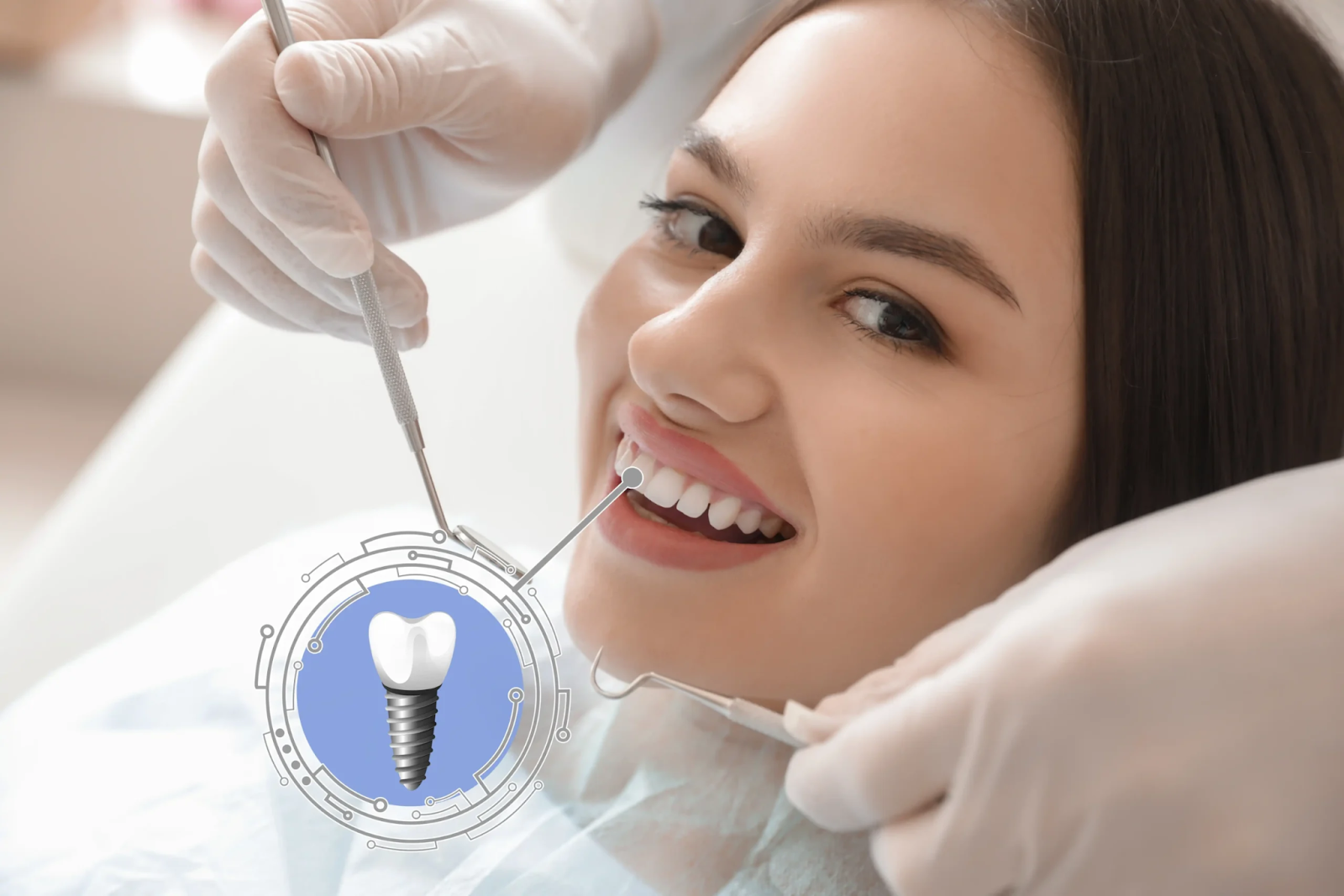
Our article What Can You Expect From an NHS Dentist Bootle Appointment? offers a useful look at how routine appointments are structured, which can be reassuring if you are nervous about returning for reviews.
Week Two: Settling Into Routine
During the second week, the gum tissue continues to heal over or around the implant, and the bone below begins the gradual process of fusing with its surface. This process, called osseointegration, takes several months, so although you will feel much better, the implant is still strengthening beneath the surface.
A review appointment is often scheduled around this time. Your putney dentist will check the healing, remove any non-dissolving stitches and confirm that everything is progressing as expected.
Returning to normal habits
• Continue to avoid very hard or crunchy foods on the implant side.
• Begin using a soft toothbrush gently around the area if advised.
• Resume exercise gradually, listening to your body.
• Keep avoiding smoking for as long as possible, ideally permanently.
If You Have a Temporary Tooth
Some patients leave with a temporary crown, bridge or denture. These are designed for appearance and light use only, not heavy biting. Treat them gently, avoid sticky foods that could pull them loose and follow any specific cleaning advice. If a temporary tooth feels loose or uncomfortable, contact the practice rather than trying to adjust it yourself.
Warning Signs to Watch For
Most recoveries after dental implants Putney patients receive are straightforward, but contact the practice promptly if you notice:
• Bleeding that will not stop after firm pressure for an hour.
• Pain that gets worse after the third day instead of better.
• Swelling that increases after day three or spreads.
• A fever, foul taste or discharge from the area.
• Numbness that has not worn off by the following day.
• Any movement of the implant itself.
If swelling affects your breathing or swallowing, seek urgent medical help immediately.
Looking After Your Implant Long Term
Once healing is complete and your final crown is fitted, an implant needs the same daily care as natural teeth, plus a little extra attention around the gumline. Good brushing, cleaning between teeth with interdental brushes and regular hygiene appointments all help prevent inflammation around the implant.
Patients with dental implants should also expect periodic reviews and X-rays to check the bone levels over time. Booking a dental hygiene appointment every few months in the first year is a sensible habit, as is asking about a night guard if you grind your teeth.
Final Thoughts
The first fortnight after implant surgery is short but important. Resting well, keeping the area clean, eating sensibly and avoiding smoking give your body the best possible conditions to heal. Most people are surprised by how quickly they feel back to normal, and following simple guidance makes that recovery smoother still. If you have questions at any stage, or simply want reassurance that healing is on track, the experienced team at Perfect Smile is always just a phone call away and ready to support you through every stage.
Comments
Post a Comment