Are You Suitable for Dental Implants? 5 Checks a Dentist Makes First
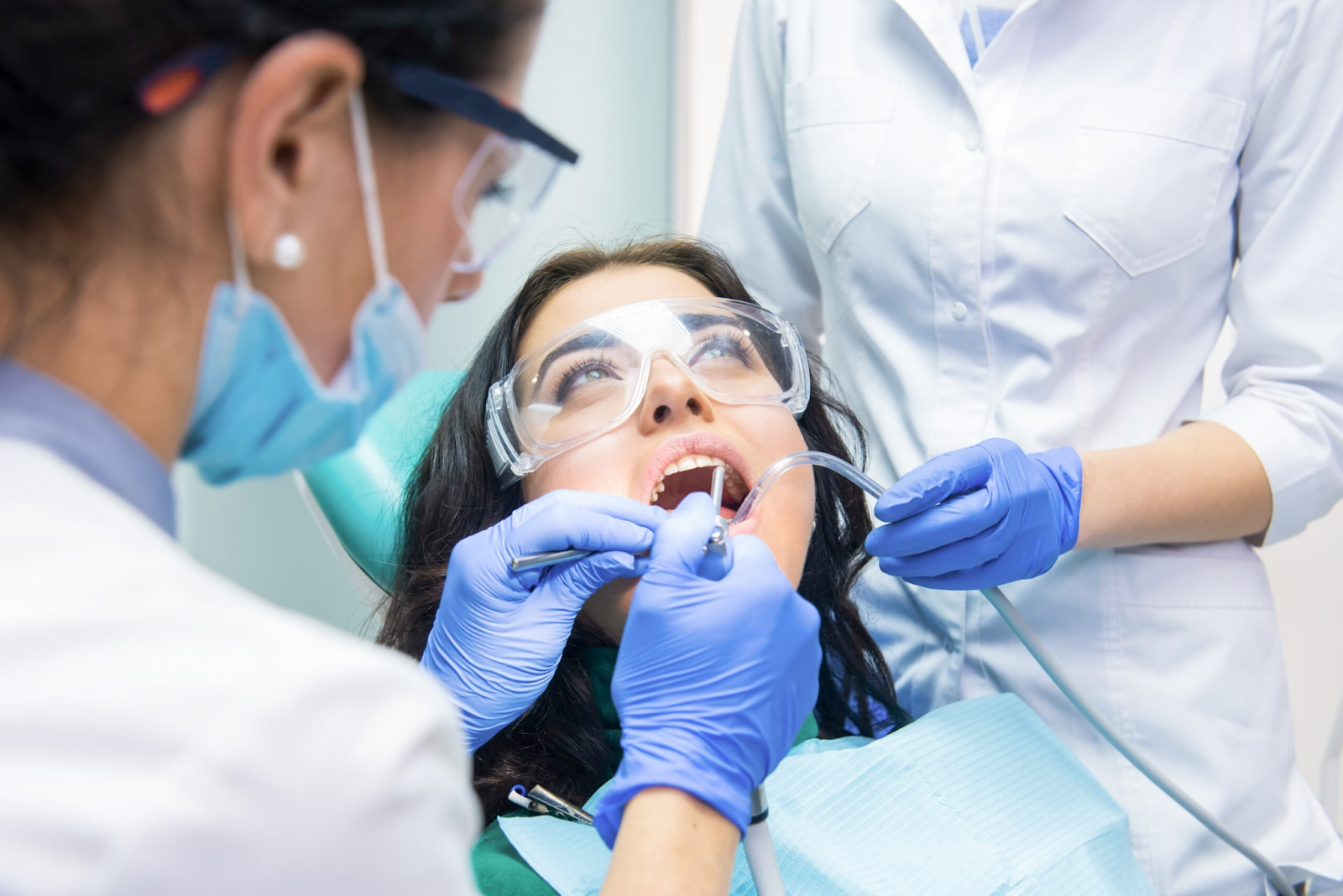
Implants have a reputation as the gold standard for replacing missing teeth, and for good reason. They look natural, feel secure and can last for many years. Yet they are not something that can simply be fitted to anyone who asks. Because an implant becomes part of your jaw, success depends on the conditions it is placed into. That is why a careful assessment always comes before treatment. Understanding what is being checked, and why, takes much of the mystery out of the first consultation and helps you prepare for the conversation.
Why Suitability Matters So Much
An implant relies on a biological process. After placement, the surrounding bone gradually grows onto the implant surface and locks it into place. This takes several months and depends on healthy bone, good blood supply and a clean environment.
If any of these are compromised, the implant may fail to integrate or develop problems later. Careful screening protects you from investing time and money in treatment that is unlikely to succeed, and it often reveals simple steps that can make you a better candidate.
Check 1: Your General Health
The first part of any assessment is a detailed medical history. Your clinician will ask about existing conditions, medicines and previous treatments.
Conditions that need careful consideration
• Diabetes, particularly if blood sugar is poorly controlled, as it can slow healing and increase infection risk.
• Certain medicines for osteoporosis or cancer, which can affect how bone heals.
• Previous radiotherapy to the head or neck.
• Conditions or medicines that affect the immune system.
• Bleeding disorders or blood-thinning medication.
Having one of these does not automatically rule you out. In many cases, treatment is still possible with extra planning or input from your GP or specialist, and a dentist in Richmond can coordinate this with them.
Check 2: Gum Health
Healthy gums are essential. Active gum disease creates an environment full of bacteria that can attack the tissues around an implant, leading to a condition called peri-implantitis.
Your clinician will examine your gums closely, measure the gaps around your remaining teeth and check for bleeding or inflammation. If gum disease is present, it will be treated and stabilised before implants are considered. A course of gum disease treatment is often the first step in a wider implant plan.
Check 3: Bone Quantity and Quality
An implant needs enough bone around it to be stable. After a tooth is lost, the bone in that area naturally shrinks over time, so people who have been missing teeth for years may have less bone available.
How bone is assessed
Standard X-rays give an initial picture, but most implant assessments also involve a 3D CBCT scan. This shows the height, width and density of the bone in detail, as well as the position of important structures such as nerves and sinuses.
What if there is not enough bone?
Bone grafting can often rebuild the area before or during implant placement. In the upper back jaw, a sinus lift may create extra height. These procedures add time to treatment but make implants possible for many people who would otherwise not be suitable.
Patients considering dental implants Richmond practices offer are often relieved to learn how many options exist for rebuilding bone.
Check 4: Lifestyle Factors
How you live affects how well an implant heals and how long it lasts.
Smoking
Smoking reduces blood flow to the gums and bone and is consistently linked with higher rates of implant complications. Your clinician will strongly encourage you to stop, ideally well before surgery and permanently afterwards.
Grinding and clenching
Heavy grinding places extra force on implants and the crowns attached to them. Signs of wear on your teeth may lead to a recommendation for a protective custom night guard.
Oral hygiene
Implants cannot decay, but the gums around them can become inflamed. A good daily cleaning routine is essential, and your clinician will want to see that you are able and willing to maintain it.
Check 5: Your Bite and Expectations
The final check looks at how your teeth come together and what you hope to achieve. The position of opposing teeth, the space available and the way you chew all influence where an implant can be placed and what type of restoration will work best.
Equally important is a frank discussion about expectations. Your clinician will explain the timeline, which often spans several months from placement to final crown, along with the costs, maintenance and any risks. Being fully informed means there are no surprises later.
What Happens After the Assessment?
Once all five checks are complete, a dentist in Richmond will talk you through the findings and recommend a plan. This might be straightforward implant placement, a staged approach with gum treatment or grafting first, or, occasionally, an alternative such as a bridge or denture if implants are not the best choice.
You should receive a written treatment plan with a clear breakdown of stages and costs, and plenty of opportunity to ask questions before deciding.
Ways to Improve Your Suitability
If an assessment highlights concerns, there are often practical steps you can take before starting dental implants Richmond treatment:
• Work with your GP to bring conditions such as diabetes under better control.
• Stop smoking, using NHS stop smoking services if helpful.
• Complete any recommended gum treatment and keep up hygiene visits.
• Improve your daily cleaning routine with guidance from a hygienist.
Keeping up regular reviews also helps. Our article Routine Check-Ups and Care With a Dentist In Camberley explains how consistent, personalised care supports long-term oral health, which is exactly the foundation implants depend on.
Final Thoughts
Being assessed for implants is not a test you pass or fail; it is a process designed to give treatment the best possible chance of lasting success. General health, gum condition, bone, lifestyle and bite all play their part, and many concerns can be addressed with the right preparation. A thorough, honest assessment protects your investment and your wellbeing. If you would like to find out whether implants could work for you, the experienced team at Perfect Smile will be happy to carry out a detailed consultation and explain every step clearly.
Comments
Post a Comment